14th-Century Chinese Anaesthetic Developed by Xia Quan Discovered
Recent research has uncovered physical evidence confirming the use of a sophisticated anaesthetic concoction during the Ming dynasty (1368–1644) in 14th-century China. This discovery highlights advanced early surgical practices, centuries before the invention of modern anaesthetics in 1846. The anaesthetic, a toxic plant concoction, was reportedly developed by the renowned traditional Chinese medicine surgeon Xia Quan.
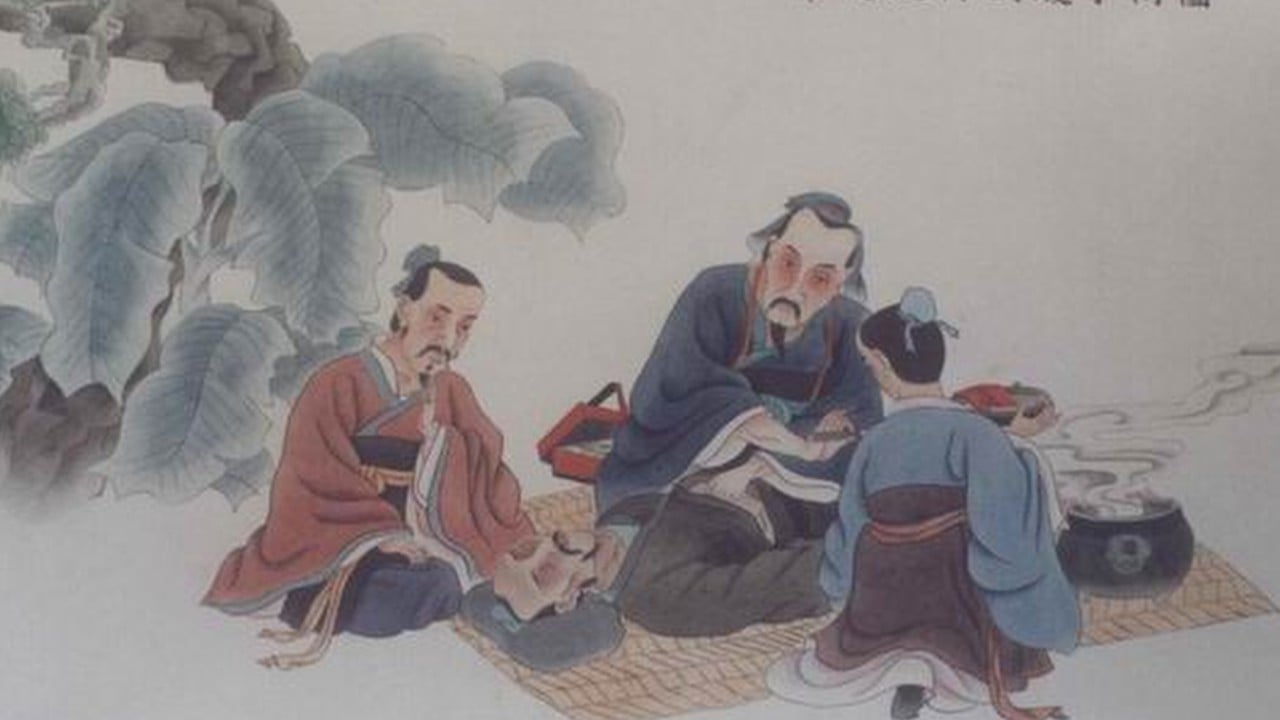
New research has provided physical evidence for the use of an ancient anaesthetic in 14th-century China, during the Ming dynasty (1368–1644).
The discovery indicates that surgeons of the era utilized a toxic plant concoction to create an anaesthetic. This development is attributed to Xia Quan, a renowned traditional Chinese medicine surgeon.
While the invention of modern anaesthetics in 1846 marked a significant milestone in medical history, this finding reveals that efforts to alleviate surgical pain were pursued much earlier. The physical evidence supports existing ancient texts, offering a compelling contribution to the understanding of early medical practices.
According to the South China Morning Post, the discovery provides a fascinating insight into historical surgical methods.
Advertisement
AdSense slot • inline