AI Leaders Adjust Stance on Job Impact Amid Public Backlash
Key figures in artificial intelligence, including OpenAI CEO Sam Altman and Microsoft AI CEO Mustafa Suleyman, are revising their public statements regarding AI's impact on the job market. Initially, some leaders sparked fears of widespread white-collar job displacement, but now they emphasize that AI may automate specific tasks rather than eliminate entire roles. This shift in rhetoric comes as the AI industry faces growing political backlash and public concern over the technology's rapid development and potential societal effects, including perceived job losses.
Leading figures in the artificial intelligence sector are modifying their discourse concerning AI's potential impact on employment. OpenAI CEO Sam Altman recently stated he no longer anticipates a "jobs apocalypse," expressing delight that AI has not affected entry-level white-collar positions as much as he initially expected.
Altman's perspective reportedly shifted after he experienced using AI for writing emails and Slack messages, an exercise he described as "dehumanizing." He now believes that the "human part" of roles is crucial and that the overall job market outlook will differ from earlier predictions.
Microsoft AI CEO Mustafa Suleyman also clarified previous remarks that suggested most white-collar tasks could be fully automated within 12 to 18 months. Suleyman explained that his comments referred to sub-tasks, such as sending emails or drafting presentations, rather than the complete elimination of jobs like those of lawyers or accountants. He noted that public apprehension stems from AI being "poorly defined" and often framed as an inevitable threat.
Microsoft President Brad Smith echoed these sentiments, acknowledging that AI "will displace some jobs" but questioning predictions of unusually rapid technology diffusion compared to historical trends. This recalibration of messaging occurs as the AI industry navigates increasing public skepticism and political scrutiny. A May Economist-YouGov poll indicated that 71% of Americans believe AI development is progressing too quickly, and incidents like booing at college commencements featuring AI discussions have been noted as "a powerful wake-up call for the tech sector."
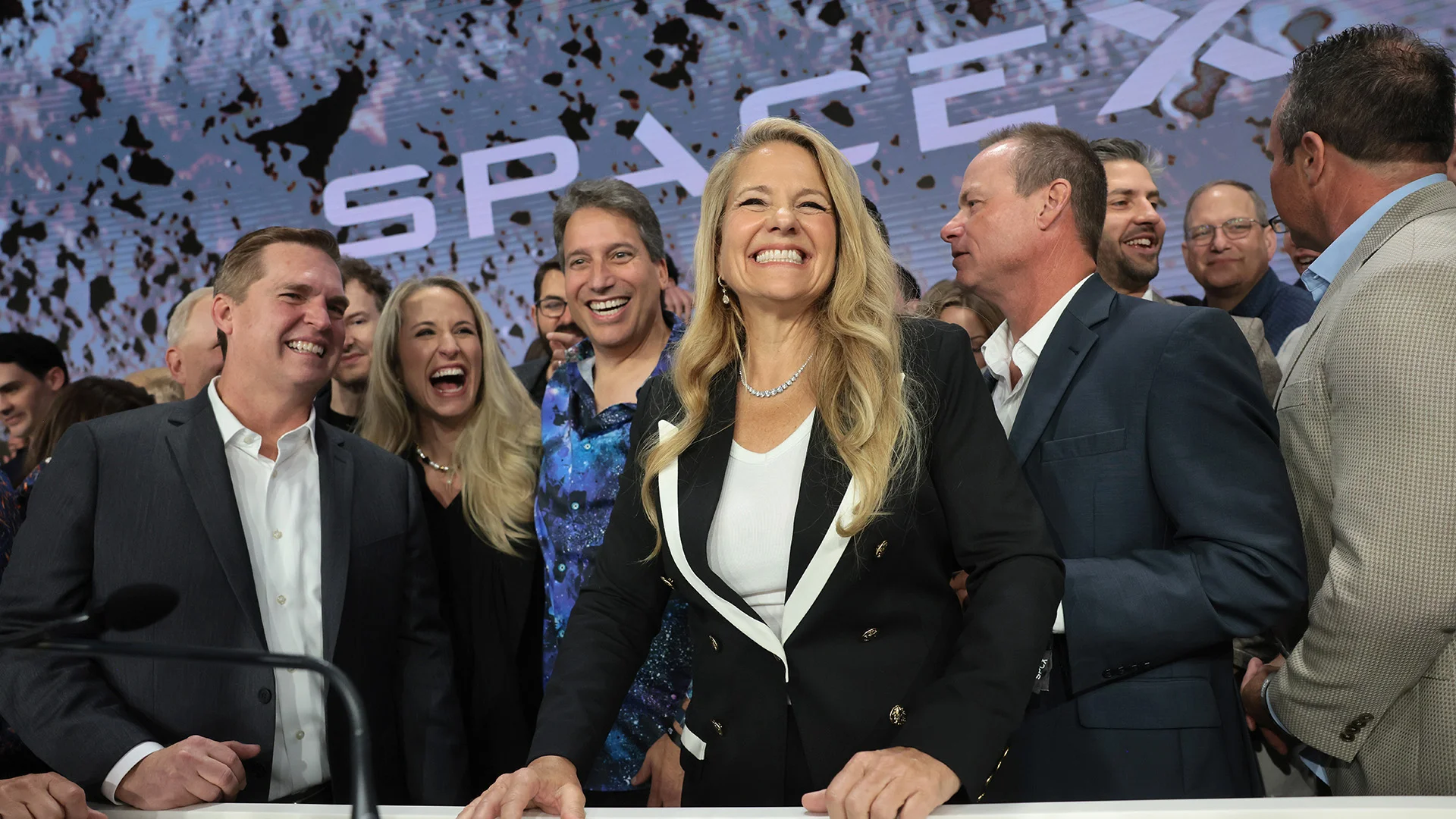
Anthropic CEO Dario Amodei, a prominent voice on AI job displacement, had previously warned that AI could eliminate up to half of all entry-level white-collar jobs within one to five years. The industry's shifting tone aims to address widespread concerns while major AI companies like OpenAI and Anthropic take steps toward potential public offerings, following SpaceX's Nasdaq debut.
According to Business Insider, the industry is grappling with the reality that the technology they hail as a significant advancement is largely unpopular in the U.S.
Advertisement
AdSense slot • inline