Florida's Escalating Home Insurance Costs Threaten Housing Market Stability
Florida's housing market faces potential instability due to escalating home insurance costs, driven by increasing climate risks. The difficulty in securing affordable insurance coverage for properties is creating a chain reaction, affecting property values, mortgage availability, and local government finances. This situation draws comparisons to past economic downturns, raising concerns about its broader implications for homeowners, renters, and community stability across the state.
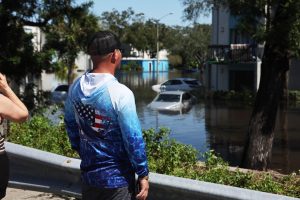
Florida's housing market is confronting significant challenges as home insurance costs continue to rise, fueled by the increasing frequency and intensity of hurricanes.
Observations from November 2024 in St. Petersburg's Shore Acres neighborhood, following Hurricanes Helene and Milton earlier that year, illustrated the unequal impact of storm damage. Many older homes suffered severe disrepair, while newer, elevated properties remained largely untouched, highlighting disparities in resilience.
Escalating insurance premiums are repricing the cost of living in Florida. Homeowners frequently face year-over-year price increases, policy cancellations, or demands for costly home improvements, such as roof replacements, to maintain coverage.
Property insurance is critical for the housing finance system, as it is often a prerequisite for obtaining and retaining a mortgage. Without access to insurance, potential buyers could be locked out of the market, potentially leading to a decline in home prices. This could trigger a downward financial spiral, impacting the real estate market, related jobs, and the local property tax base, thereby affecting municipal budgets.
Such a scenario could result in homeowners losing home equity and contribute to community disintegration. This situation echoes dynamics seen during the 2008 subprime mortgage crisis and subsequent economic recession. The current issue also affects renters, who may face higher costs or reduced property maintenance, and affordable housing providers.
Some wealthier individuals and communities may be better equipped to absorb losses, rebuild, or invest in costly mitigation infrastructure. This could lead to a social stratification where neighborhoods are sorted by wealth, resilience, and insurability due to varying abilities to manage climate risk.
According to Fortune, these observations suggest a community grappling with the economic ramifications of climate shocks and the market responses to them.
Advertisement
AdSense slot • inline