Medicare's New Weight-Loss Drug Program Set to Launch Amid Provider Concerns
A new Medicare program launching July 1 will offer weight-loss drugs, including GLP-1 treatments like Wegovy and Zepbound, for $50 a month. This initiative is expected to generate significant demand, potentially overwhelming healthcare providers already managing high caseloads and extensive prior authorization processes. Clinicians express concerns about capacity for patient counseling and the system's ability to handle an influx of new prescriptions for the roughly 14 million Medicare beneficiaries who are overweight or obese. The program, a result of a deal between President Trump, Eli Lilly, and Novo Nordisk, is set to run until the end of 2027 and does not include coverage for nutritional or behavioral support programs.
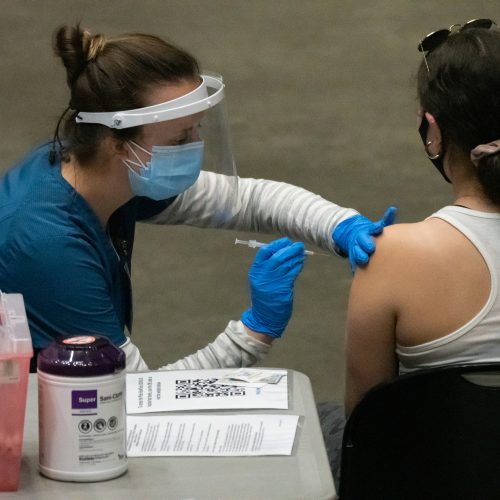
Medicare's new program for weight-loss drugs is scheduled to begin on July 1, offering access to treatments like Wegovy and Zepbound for $50 per month. This launch is anticipated to release a significant pent-up demand for these GLP-1 medications among eligible seniors.
Clinicians are bracing for a substantial increase in patient inquiries and prescriptions, which some fear could strain an already burdened healthcare system. Concerns include potential bottlenecks at doctors' offices, particularly regarding the verification process, or "prior authorization," required for beneficiaries to qualify for the low-cost drugs. Christopher Weber, a board member of the Obesity Medicine Association, noted that many clinics are already overwhelmed with prior authorizations, and this program could exacerbate the issue.
Medicare administrators have indicated efforts to streamline the process and establish a central clearinghouse for reviews. However, some healthcare professionals, like Annie Moore, an internal medicine doctor at the University of Colorado, believe that pharmacy teams may need to be significantly expanded, which she stated has not yet occurred in preparation for the rollout. A spokesperson for the Centers for Medicare and Medicaid Services (CMS) stated that the agency does not foresee undue burden on pharmacies or prescribing providers.
Originating from a deal President Trump struck with Eli Lilly and Novo Nordisk to reduce drug prices in exchange for broader patient access, the program is scheduled to run through the end of 2027. A notable limitation is that it focuses solely on covering the weight-loss drugs themselves, excluding nutrition and behavioral support programs often integral to obesity treatment.
Beneficiaries may also encounter financial surprises. Juliette Cubanski of KFF highlighted that the benefit may not count toward out-of-pocket caps or deductibles. For individuals on fixed or low incomes, the $50 monthly cost may still be prohibitive. Additionally, seniors already receiving GLP-1 prescriptions for other conditions through their Part D benefit will not qualify for this new discount, even if they are overweight or obese.
Pharmaceutical companies, including Novo Nordisk and Eli Lilly, are reportedly targeting advertising toward seniors, anticipating a significant market expansion with the inclusion of Medicare patients.
According to Axios, roughly 14 million Medicare beneficiaries are overweight or obese, underscoring the potential scale of the program's impact.