Microsoft President Brad Smith Urges Calm on AI Job Impact, Cautions Against Hype
Brad Smith, Vice Chair and President of Microsoft, has criticized tech leaders for making "grandiose" and "hypocritical" predictions about AI's impact on jobs, suggesting these warnings are alienating young Americans. Speaking from Microsoft's Redmond headquarters, Smith emphasized a need to avoid panic, stating that AI's full economic transformation will likely unfold over 25 years, not a shorter period. He advocated for viewing AI as a tool to augment human capabilities rather than replace them, urging the tech sector to learn from the negative reactions seen among recent graduates.
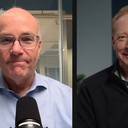
Brad Smith, Vice Chair and President of Microsoft, has voiced concerns over what he describes as "hypocritical, grandiose warnings" from tech moguls regarding the future of jobs in the artificial intelligence (AI) era. Smith, who has been with Microsoft for 33 years, made his remarks from the company's headquarters in Redmond, Washington, urging a measured approach and stating, "Nobody knows for sure, but let's not panic."
Smith believes that dire predictions about AI's threat to entry-level white-collar jobs are turning young Americans against what he considers a transformative technology. He highlighted instances of AI being met with skepticism at recent commencement ceremonies, calling it a "powerful wake-up call for the tech sector" to listen to and learn from these reactions.
He specifically criticized calls for a "global pause" in AI development, such as those made by Anthropic in an essay. Smith argued that if a technology is deemed so powerful it warrants a global treaty to slow it down, then those making such calls should first "take your foot off the accelerator yourself."
Smith also pointed out that current graduates, who experienced COVID and political turmoil during their formative years, are now entering a workforce where AI is often presented as a threat rather than an opportunity. He suggested this narrative makes them feel AI is something "going to happen to them, not for them," leading to their resistance.
Regarding the timeline for AI's impact, Smith contended that a complete economic transformation would likely span 25 years, not a mere two-and-a-half. He noted that tech leaders tend to overestimate technology's immediate impact and pace while underestimating human adaptability. Smith drew a parallel to the discovery that horses could run faster than people, leading to humans learning to ride them, suggesting AI should similarly be used to help people achieve more.
He further cautioned against "fake certainty" from those who have made incorrect predictions in the past and against "hollow calls for regulation" that mimic past social media debates where companies advocated for legislation but opposed specific bills. Smith advised against pursuing "grandiose" AI policy ideas with zero chance of adoption.
According to Axios, Smith's core message is that the AI debate has been excessively focused on dramatic predictions rather than on how technology can consistently empower people to do better things.