Observers Note North Korea's Strategic Balancing Act Between Russia and China
North Korean leader Kim Jong-un recently sent a message of reassurance to Russian President Vladimir Putin, shortly after Chinese President Xi Jinping's visit to Pyongyang. According to observers, this outreach signifies a strategic hedging by North Korea. Analysts suggest that Pyongyang-Moscow ties are evolving beyond a largely transactional relationship into a firm military alliance, even as North Korea simultaneously seeks to rekindle its traditional "blood alliance" with China.
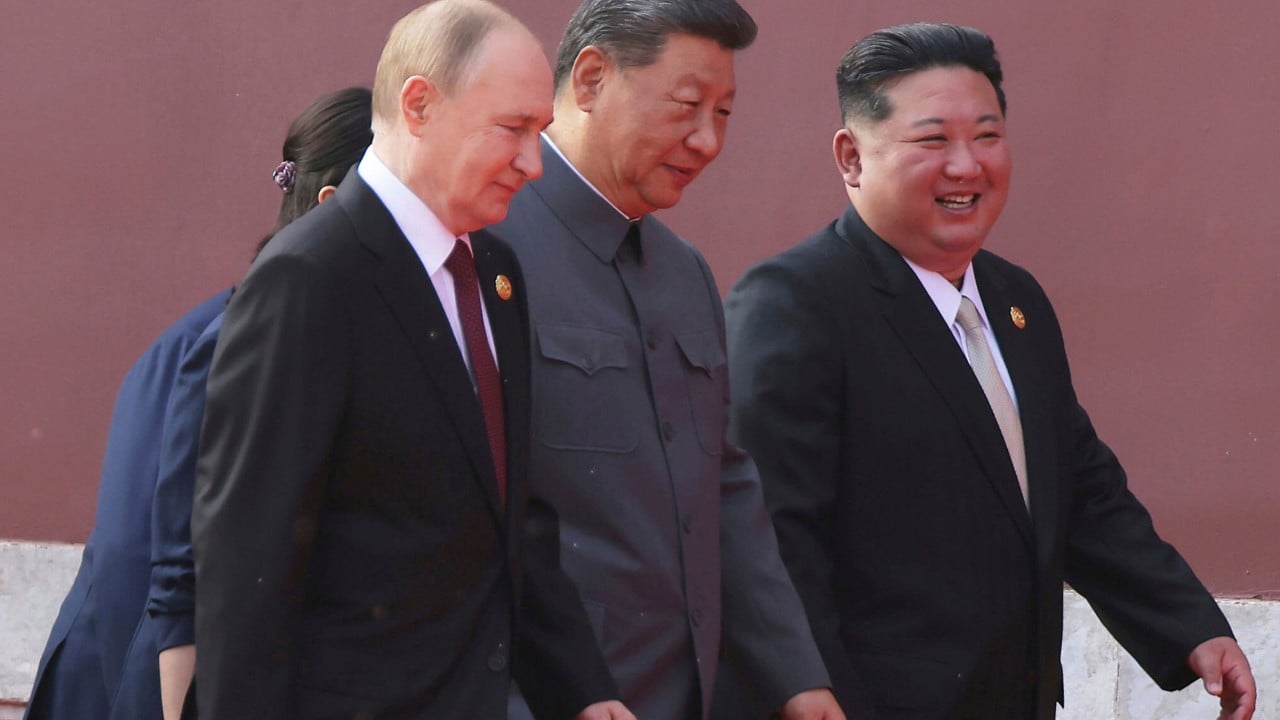
North Korean leader Kim Jong-un recently conveyed a congratulatory message to Russian President Vladimir Putin. This communication occurred shortly after Chinese President Xi Jinping's visit to Pyongyang, setting the stage for discussions among international observers regarding North Korea's evolving foreign policy.
According to these observers, Kim Jong-un's message to President Putin signifies a form of strategic hedging. This approach suggests North Korea is navigating its international relations by maintaining ties with multiple powerful partners, aiming to secure its interests and influence within a complex geopolitical landscape.
Analysts further indicate that the relationship between Pyongyang and Moscow appears to be developing beyond what was previously considered a largely transactional exchange. Observers now suggest these ties are evolving into a firm military alliance, marking a significant shift in the bilateral engagement between the two nations.
Concurrently with this strengthening bond with Russia, North Korea is also reportedly working to rekindle its traditional "blood alliance" with China. This dual diplomatic effort suggests a deliberate strategy by Pyongyang to balance its allegiances and potentially leverage relationships with both major powers.
The strategic implications of North Korea's diplomatic overtures to both Russia and China continue to be a focus for international observers. According to the South China Morning Post, these developments underscore a complex approach to foreign relations.