Oil Prices Drop After US-Iran Ceasefire Agreement
Crude oil prices experienced a decline of over 4% on Sunday, reaching their lowest levels in more than three months. This market shift occurred after the United States and Iran reportedly agreed to a ceasefire extension, a move that could lead to the reopening of the crucial Strait of Hormuz. The potential easing of restrictions on oil traffic through the strait is anticipated to mitigate a significant energy shock that has impacted the global economy since late February, previously causing U.S. gasoline prices to soar.
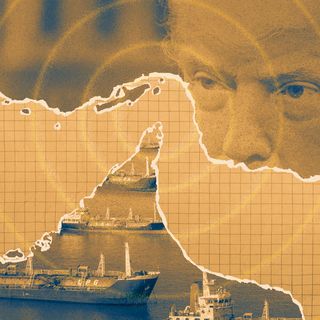
Crude oil prices fell by over 4% on Sunday, reaching their lowest point in more than three months. This decline follows an announcement that the United States and Iran have agreed to a ceasefire extension, which could facilitate the reopening of the Strait of Hormuz.
The global benchmark Brent crude saw a 3.6% decrease, settling at $84.21 per barrel, while West Texas Intermediate (WTI), the U.S. reference, dropped over 4% to $81.38 per barrel. The market had already seen prices slide on Friday amidst reports that an agreement was imminent.
The Strait of Hormuz, a narrow waterway crucial for global energy trade, handles approximately one-fifth of the world's oil traffic. Severe restrictions on oil transit through the strait since the conflict began in late February have caused an unprecedented energy shock, posing a significant drag on the global economy.
This spike in oil prices had driven U.S. gasoline prices to their highest levels since 2022, reaching an average of roughly $4.56 per gallon in May, before retreating to an average of $4.07 per gallon more recently, according to AAA. Despite the recent drop, current prices remain over $1 higher than pre-conflict levels.
The memorandum of understanding between the U.S. and Iran is described as a major diplomatic breakthrough in the conflict, providing time to address complex issues, including Iran's nuclear program.
While the apparent deal could significantly increase tanker traffic, the disrupted market is expected to take months to fully recover. Uncertainties remain regarding the confidence of ship owners and operators to navigate the waterway, and Persian Gulf oil producers, who reduced output during the closure, will require time to restart full production.
According to Axios, gasoline prices are not expected to return to pre-conflict levels in the near future.