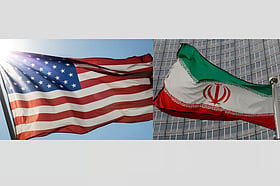
Pakistan PM Announces U.S.-Iran Deal to End Hostilities; Confirmation Pending
Pakistani Prime Minister Shehbaz Sharif announced on Sunday that the U.S. and Iran have reached an agreement to end hostilities, with a formal signing ceremony anticipated on Friday in Switzerland. The deal, which remains unconfirmed by both Washington and Tehran, is expected to extend a ceasefire by 60 days, facilitate the reopening of the Strait of Hormuz, and initiate nuclear negotiations following 107 days of conflict. This memorandum of understanding, mediated by Pakistan and Qatar, aims to address Iran's nuclear program, sanctions relief, and the release of frozen Iranian funds. If upheld, the agreement could mitigate the global energy impact of the war, though challenges remain in fully restoring shipping and resolving complex nuclear issues within the specified timeframe.
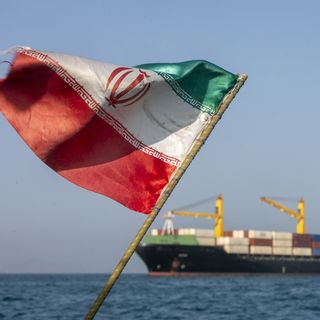
Pakistani Prime Minister Shehbaz Sharif announced Sunday that the United States and Iran have declared an end to hostilities. He indicated that an official signing ceremony for the agreement is expected on Friday, followed by more detailed nuclear negotiations.
Neither Iran nor the U.S. has yet confirmed the news that this deal is "now in place," as stated by Prime Minister Sharif. The agreement was reportedly expected to be signed electronically on Sunday, following mediation efforts by Pakistan and Qatar. Sharif specified that the formal ceremony would take place in Switzerland.
If confirmed, the deal is projected to extend the existing ceasefire by 60 days, reopen the Strait of Hormuz, and initiate nuclear talks after 107 days of conflict. This memorandum of understanding could represent a significant diplomatic breakthrough, providing time to address critical questions regarding Iran's nuclear program.
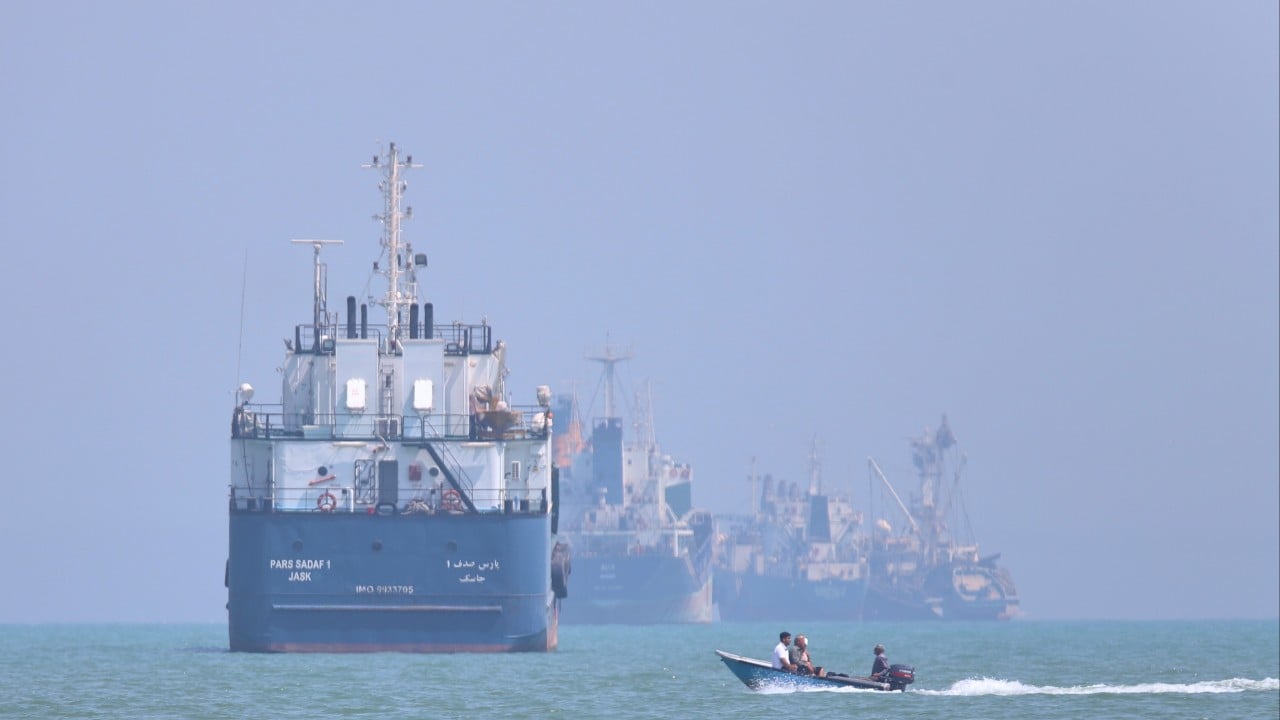
The potential agreement is designed to restore shipping through the Strait of Hormuz, which previously handled approximately 20% of global oil and liquefied natural gas. Such a development could alleviate the global energy shock caused by the war. However, the full reopening of the strait may not be immediate, potentially requiring time for mine-clearing, infrastructure repair, and security guarantees before pre-war shipping volumes are restored.
The agreement outlines a 60-day window for the U.S. and Iran to negotiate on Iran's nuclear enrichment and the disposal of its highly enriched uranium. The U.S. has committed to discussing sanctions relief and the release of frozen Iranian funds, with relief contingent upon Iran's compliance. The ceasefire also encompasses the fighting between Israel and Hezbollah in Lebanon, which saw a recent flare-up on Sunday.
The apparent agreement follows a volatile period, including Israeli strikes on Hezbollah targets in Beirut just hours before the anticipated signing, which prompted Iranian threats to withdraw from the deal. Both sides now have 60 days to reach a technical agreement on the downblending of Iran's highly enriched uranium and the future freezing and monitoring of its nuclear program.
According to Axios, the U.S. side believes Iran is motivated to reach a final agreement due to the dependence of sanctions relief and access to frozen funds on progress in the nuclear sphere. However, some voices in the U.S. and Israel express concern that a final deal may not materialize, leaving nuclear questions unresolved.