
Proposed US-Iran Agreement Outlines Strait Reopening, Sanctions Relief
President Trump has indicated an impending signing of a U.S.-Iran memorandum of understanding (MOU) that would reportedly reopen the Strait of Hormuz immediately without tolls and offer Iran sanctions relief contingent on compliance. The agreement, potentially named the "Islamabad agreement," would also institute a 60-day ceasefire, including in Lebanon, to facilitate nuclear negotiations. While some Iranian officials have reportedly approved the deal at high levels, Iran's foreign ministry spokesperson stated that a final decision has not yet been reached. The White House is preparing for a possible signing ceremony in Geneva, though the deal's ultimate finalization remains uncertain.
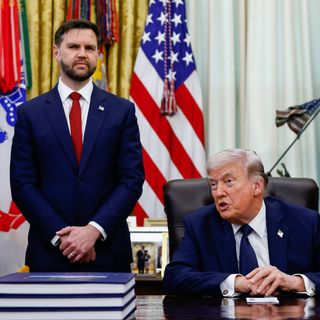
A proposed memorandum of understanding (MOU) between the U.S. and Iran, which President Trump claims will be signed soon, reportedly includes provisions for the immediate reopening of the Strait of Hormuz without tolls. Under this tentative agreement, Iran would also receive sanctions relief based on its compliance with the outlined terms.
According to a diplomat from one of the mediating countries and a U.S. official, the MOU would extend a ceasefire for 60 days, covering areas including Lebanon, to allow for nuclear negotiations. The text reportedly outlines a framework to address Iran's enriched uranium stockpile, although any specific actions on Iran's nuclear program would depend on a subsequent, more detailed accord.
The U.S. and Iran have reportedly agreed on the text of the deal, according to a diplomat, though final sign-off is still required. As of Thursday evening, the deal had reportedly been approved at high levels on the Iranian side, but likely not by Supreme Leader Mojtaba Khamenei, according to two sources. President Trump expressed an expectation of a signing ceremony over the weekend, while a spokesperson for Iran's foreign ministry stated that Tehran had "not yet reached a final decision." The White House has previously believed a deal was imminent multiple times in recent months.
Four U.S. Air Force C-17 planes departed for Europe on Thursday, moving equipment for potential travel by Vice President Vance to a signing ceremony in Geneva. The tentative agreement was reportedly reached on Wednesday night after negotiations in Tehran between Qatari mediator Ali Al-Thawadi and Iranian Foreign Minister Abbas Araghchi. During these talks, Al-Thawadi communicated multiple times with Trump's envoys, Steve Witkoff and Jared Kushner. President Trump's announcement reportedly surprised Israeli Prime Minister Benjamin Netanyahu, who sought information from allies close to the U.S. administration.
Under the MOU, Iran would commit to never acquiring a nuclear weapon and to resolve the standoff concerning its enriched uranium. A senior U.S. official indicated that one option for resolving the uranium issue could involve down-blending Iran's highly enriched uranium within the country, under the supervision of UN inspectors. The agreement stipulates the Strait of Hormuz would return to pre-war shipping volumes within 30 days, accompanied by the lifting of the U.S. blockade. Following the strait's reopening, Iran would reportedly receive temporary sanctions waivers to sell oil for 60 days, with further sanctions relief linked to compliance and good faith in future negotiations.
The text does not definitively clarify the fate of billions of Iranian dollars frozen overseas. Iran has pressed for immediate access to some funds upon signing, while the U.S. has proposed release in tranches based on compliance. Discussions have reportedly included a mechanism for Iran to access some frozen funds in Qatar for humanitarian purchases. The deal, mediated jointly by Qatar and Pakistan, is proposed to be named the "Islamabad agreement," if ultimately signed by both parties. Efforts are ongoing to finalize the deal and set a signing date.
(Source: Axios)
Advertisement
AdSense slot • inline
