Research Explores Rodent's Potential Link to Human Love
Scientists are reportedly investigating the complex phenomenon of human love, seeking to understand its fundamental origins and mechanisms. A new hypothesis suggests that insights into why humans form emotional bonds may be found through the study of a specific small rodent species. This rodent, native to the American Midwest, is being considered as a potential model to unlock some of the mysteries surrounding human romantic attachments and long-term relationships.
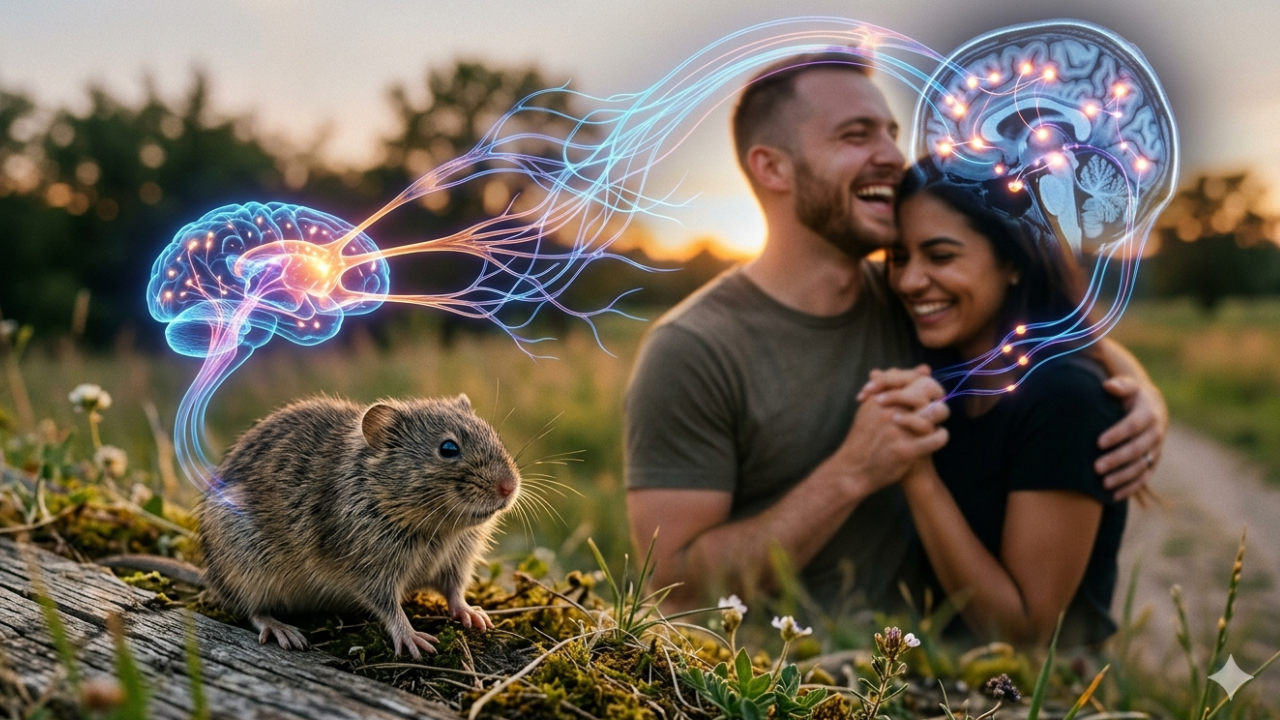
The complex phenomenon of human love, a central aspect of human experience and social structures, remains a significant subject of scientific inquiry. Understanding the origins and mechanisms behind why humans form deep emotional bonds is a long-standing challenge for researchers across various disciplines.
A recent hypothesis suggests that part of the answer to this fundamental question may lie in studying a specific animal model. According to scientific discourse, insights into human love could potentially be gained by examining a small rodent species originating from the American Midwest. This proposition opens new avenues for exploring the biological and behavioral underpinnings of attachment.
Research often employs comparative studies across species to shed light on complex traits shared among different life forms. In this context, the social behaviors or neurobiological pathways observed in certain rodent species have historically provided valuable models for understanding aspects of human physiology and behavior, including social bonding.
The exploration into the connection between this particular rodent and human love aims to identify potential evolutionary parallels or shared biological mechanisms. Such studies seek to deconstruct the intricate processes involved in emotional attachment, potentially revealing universal principles that govern pair-bonding and affection across the animal kingdom.
(Source: Times of India - World)
Advertisement
AdSense slot • inline