Reviewing Key Security Settings on New Android Phones
When configuring a new Android smartphone, users often prioritize installing applications, signing into accounts, removing pre-installed software, and customizing the device's appearance. In addition to these standard setup procedures, attention to key security settings is considered crucial for maintaining device integrity. Although Android phones are equipped with numerous built-in security measures, some of which are active by default, certain critical security configurations may necessitate manual adjustment or verification to ensure their proper functioning.
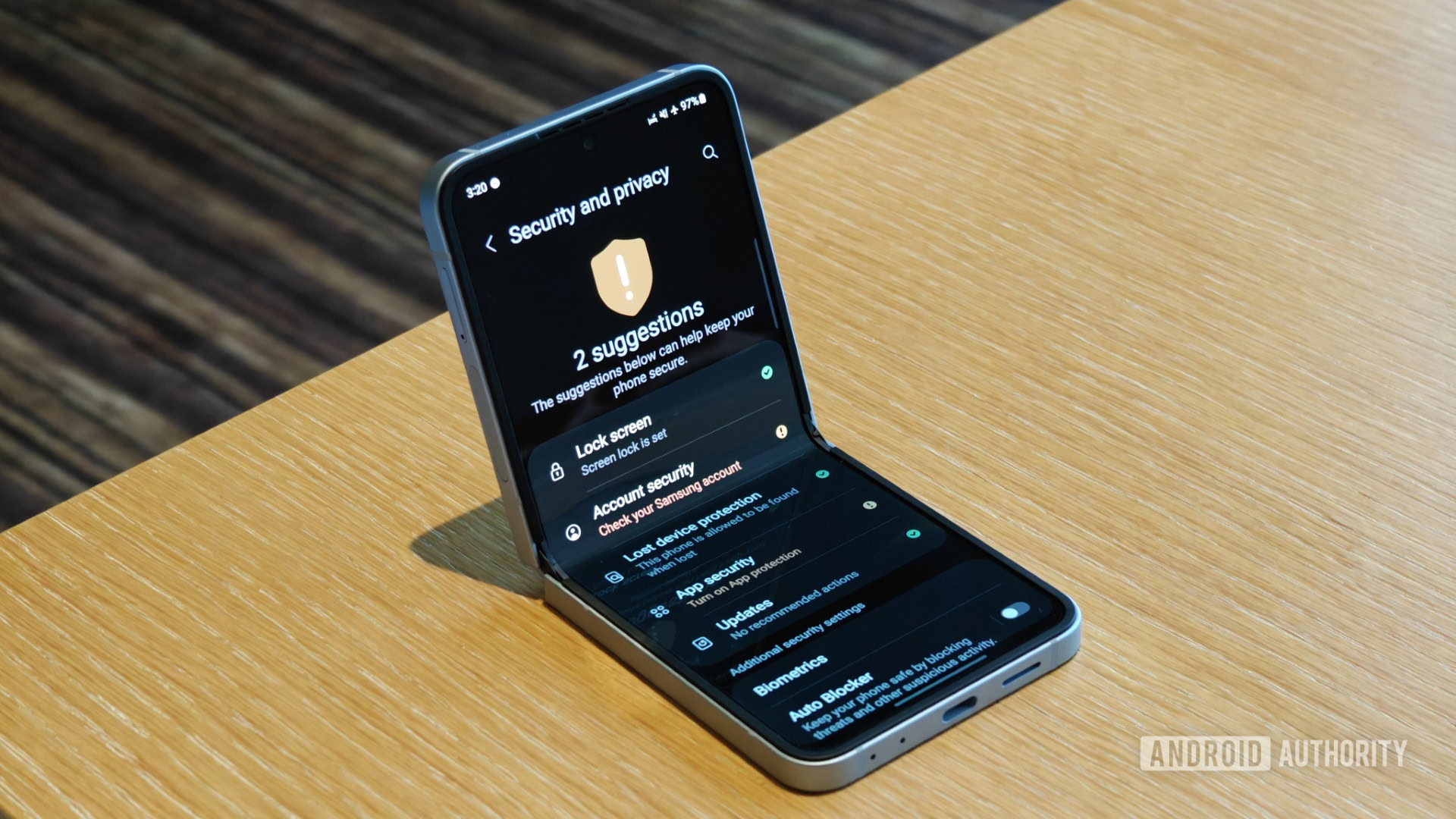
When users acquire a new Android smartphone, the initial setup process typically involves several common steps. These routine tasks often include installing preferred applications, logging into personal and professional accounts, managing pre-installed software, and customizing the device's aesthetic and functional aspects to suit individual preferences.
However, alongside these common setup tasks, a significant focus is often placed on reviewing the device's security settings. This proactive approach is undertaken to enhance the smartphone's overall security posture, aiming to provide users with an increased sense of safety and confidence in their device's protection against potential vulnerabilities.
Android operating systems inherently incorporate a wide array of built-in security features. These integrated protections are designed to safeguard user data, maintain privacy, and mitigate various digital risks. A considerable number of these essential security mechanisms are pre-enabled, meaning they are active by default from the moment the device is first powered on and configured.
Despite the presence of these automated security provisions, there are specific, critical security settings that may necessitate manual adjustment or a dedicated review by the user. Ensuring these particular configurations are correctly set up is crucial for optimizing the device's defensive capabilities and confirming that all protective layers are fully operational. This manual verification complements the automatic safeguards, creating a more robust security environment for the Android phone.
According to Android Authority, reviewing these settings offers additional peace of mind for Android users.
Advertisement
AdSense slot • inline