Texas Communities Divided Over Proposed $10 Billion AI Data Center
A proposed $10 billion AI data center by developer Infrakey near Ross, Texas, has created a significant divide between the town and neighboring Lacy Lakeview. While Ross, an unincorporated community, sits directly adjacent to the 520-acre site, Lacy Lakeview plans to annex the land, potentially gaining up to $50 million annually in taxes. This local conflict reflects a national trend where rural communities grapple with the rapid expansion of AI infrastructure, raising concerns about resource allocation and local governance.
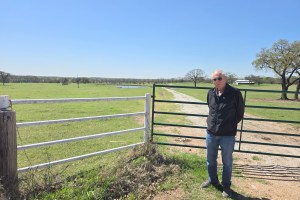
A planned $10 billion AI data center campus has generated a dispute between the neighboring Texas towns of Ross and Lacy Lakeview. The project, initiated by Infrakey, is slated for a 520-acre plot of unincorporated farmland adjacent to Ross and is designed with a power capacity of nearly 1 gigawatt.
Mayors Jim Jaska of Ross and Charles Wilson of Lacy Lakeview, who share deep personal ties, now hold opposing views on the project's implications. Ross, with a population of 200 and no taxing authority, borders the proposed industrial site. Conversely, Lacy Lakeview, located seven miles south, is legally positioned to annex the land and stands to collect an estimated $50 million per year in taxes. This has intensified tensions regarding who will benefit, who will bear the consequences, and who will have a say in the development.
This local situation mirrors a broader trend across Texas and other states in the South and Midwest, where rural communities are facing the expansion of AI infrastructure. Developers are actively securing land, power, water, and transmission access for large-scale data center campuses required to train and operate AI models. This build-out represents hundreds of billions in spending and is considered a strategic priority for both Silicon Valley and Washington.
However, a growing backlash against these projects is evident nationwide. Even in Texas, which has actively promoted AI data center development, political support is becoming more complex. Republican Governor Greg Abbott has called for tighter oversight of data center development and urged lawmakers to re-evaluate certain financial incentives that critics argue disproportionately favor large technology companies. Communities across various states are questioning how local residents and officials can ensure fair outcomes when dealing with projects backed by influential companies, often with unequal distribution of burdens and benefits.
According to Fortune, this situation highlights a political reality for residents of Ross and surrounding communities.