US 30-Year Mortgage Rate Rises to 6.52%, Nearing Yearlong High
The average long-term U.S. mortgage rate increased this week, with the benchmark 30-year fixed rate climbing to 6.52% from 6.48% a week prior. This rise brings rates close to their highest point for the year, continuing an upward trend observed since a conflict involving the U.S. and Iran began in late February. Borrowing costs for 15-year fixed-rate mortgages also saw an increase, reaching 5.84% from 5.79%.
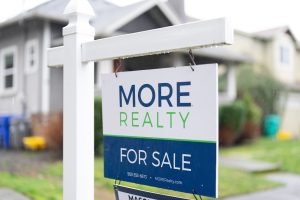
The average long-term U.S. mortgage rate has ticked up, approaching its highest level for the year. The benchmark 30-year fixed-rate mortgage rate rose to 6.52% this week, an increase from 6.48% recorded last week. Despite this increase, the current average rate remains below the 6.84% observed a year ago.
Borrowing costs for 15-year fixed-rate mortgages also increased, with the average rate climbing to 5.84% from 5.79% last week. A year ago, this rate stood at 5.97%. Rising mortgage rates can significantly increase monthly costs for borrowers, potentially reducing their purchasing power.
Mortgage rates are influenced by various factors, including the Federal Reserve’s interest rate policies, bond market investor expectations regarding the economy, and inflation. These rates generally follow the trajectory of the 10-year Treasury yield, which lenders use as a guide for pricing home loans. The yield on the U.S. 10-year Treasury note was 4.53% in midday trading Thursday, up from 4.47% a week earlier and 3.97% in late February.
Rates have generally trended higher since a conflict involving the U.S. and Iran began in late February. This conflict disrupted crude oil flow, leading to sharper oil price increases and contributing to inflation. Expectations of sustained higher oil prices have kept long-term bond yields elevated, consequently pushing mortgage rates higher. The average 30-year mortgage rate had briefly dipped below 6% in late February for the first time since late 2022, but has not fallen below that threshold since. Two weeks prior, it reached 6.53%, its highest level since August 28.
The mostly upward trajectory and uncertainty surrounding future rate movements have kept many potential homebuyers on the sidelines. Sales of previously occupied U.S. homes declined in the first three months of the year compared to a year earlier, extending a housing slump from 2022. While sales were flat in April, they accelerated in May to their fastest pace since December. However, existing U.S. home sales continue to hover near a 4-million annual pace, below the historic norm of approximately 5.2 million.
Recent data from the Mortgage Bankers Association indicates that mortgage applications, covering both home purchases and refinancing, jumped 10.8% last week from the previous week. This suggests that home shoppers who can afford current rates are proceeding with purchases rather than waiting for potential rate drops.
According to Fortune, this increase in mortgage applications provides an encouraging sign for the housing market as it moves into the second half of the year, following a lackluster spring homebuying season.
Advertisement
AdSense slot • inline