U.S. and Iran Announce Deal to Reopen Strait of Hormuz, Markets React
The United States and Iran have confirmed an agreement to reopen the Strait of Hormuz, a critical global shipping route, following weeks of halted traffic. The announcement on Sunday triggered a significant market response, with U.S. stock futures rising and global oil prices falling. The deal is slated for formal signing on Friday, with further negotiations expected over the next 60 days regarding sanctions and Iran's nuclear program.
U.S. stock futures surged and oil prices declined on Sunday following confirmations from both the United States and Iran that they had reached a deal to reopen the Strait of Hormuz. The agreement comes after weeks of uncertainty surrounding the vital waterway.
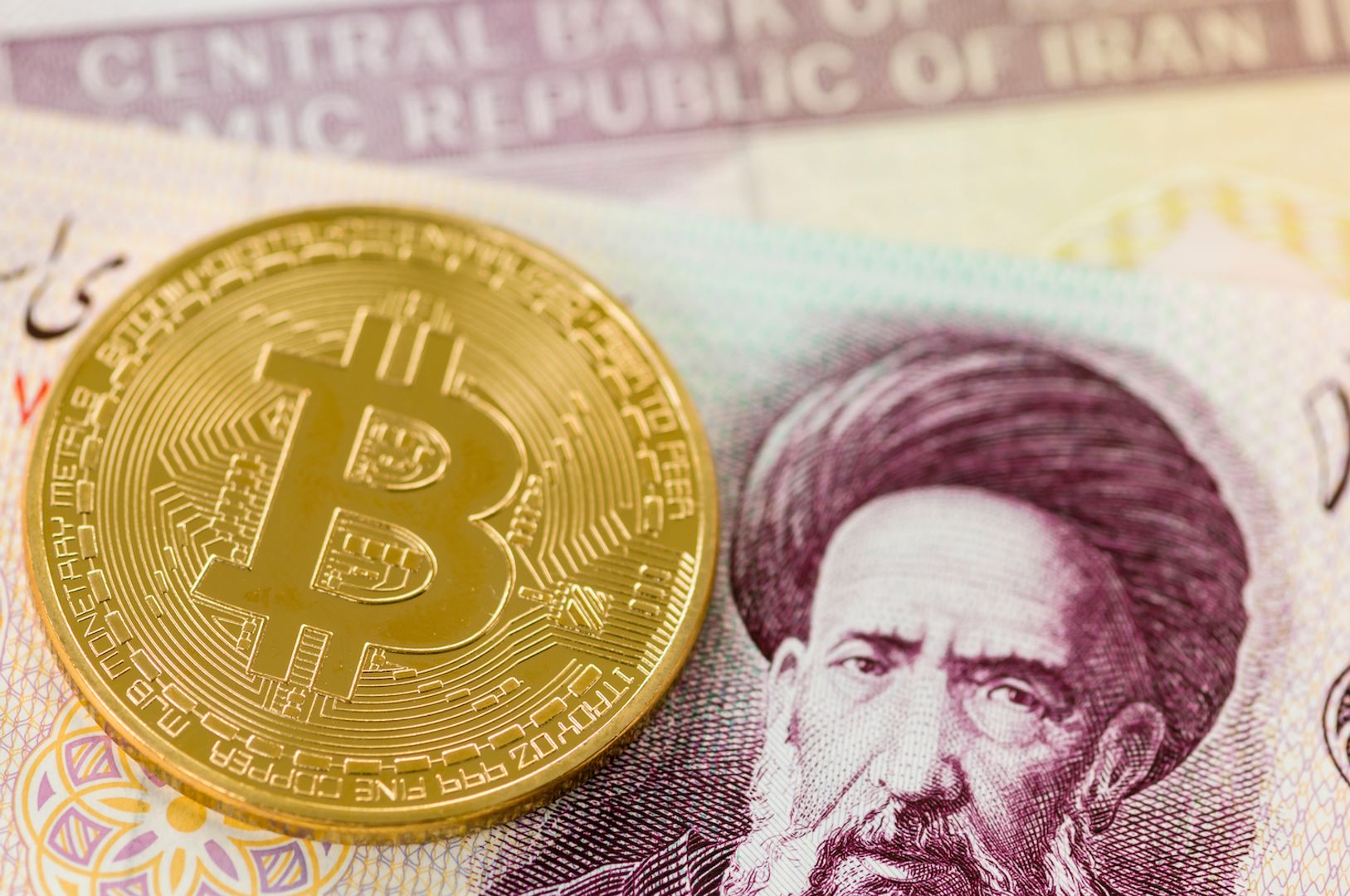
Futures tied to the Dow Jones Industrial Average increased by 267 points, or 0.52%. S&P 500 futures were up 0.79%, and Nasdaq futures saw a 1.26% rise. Concurrently, U.S. oil futures fell 3.8% to $81.65 a barrel, and Brent crude tumbled 3.4% to $84.35. Gold rose 1.6% to $4,307.30 per ounce, while the U.S. dollar depreciated 0.35% against the euro and 0.20% against the yen. The yield on the 10-year Treasury remained flat at 4.483%.
Trump announced the completion of the deal on social media, stating, “Deal with the Islamic Republic of Iran is now complete. Congratulations to all!” He also authorized the immediate removal of the U.S. Naval blockade and the toll-free opening of the Strait of Hormuz. Iranian President Masoud Pezeshkian subsequently confirmed the agreement via a post on X.
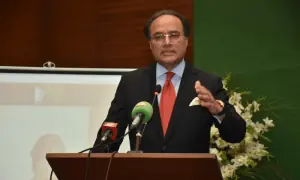
Deputy Foreign Minister Kazem Gharibabadi stated that the U.S. and Iran are scheduled to formally sign the agreement on Friday in Geneva. Trump added that the Strait of Hormuz would reopen on Friday upon the deal's signing, noting that more time might be needed to clear mines from the narrow passage. Pakistan, which served as a mediator, reported that the two countries would electronically sign the agreement later on Sunday.
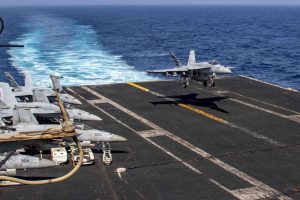
The Strait of Hormuz, which accounted for 20% of the world's oil and liquid natural gas flows prior to the conflict, had been closed by Tehran since a war involving the U.S., Israel, and Iran began in late February. This closure resulted in the largest oil disruption in history, despite the U.S. establishing an alternate route allowing a limited flow of oil from the Persian Gulf.
Trump informed The Wall Street Journal that Iran agreed not to pursue nuclear weapons, suggesting that the extraction of its enriched uranium could be addressed later, potentially within one or two months. He asserted that Iran would not receive any cash but that sanctions could be lifted. Previous statements by U.S. officials indicated that sanctions relief could be phased as Iran fulfilled its nuclear commitments.
Addressing the issue of regime change, Trump stated, “As far as regime change, I never cared about regime change. This is the third group we’ve dealt with, and this is the most rational group yet.” This statement follows earlier actions, including exhorting the Iranian people to overthrow the regime after airstrikes began and warnings against cracking down on protests that started in December. Supreme Leader Ali Khamenei and other officials were reportedly killed by the U.S. and Israel but were swiftly replaced by his son and other hardliners.
The most contentious issues, including sanctions relief for Iran, access to its frozen assets, and detailed arrangements for its nuclear program, are set to be negotiated over the next 60 days.
According to Fortune, this story was originally featured on Fortune.com.