U.S. and Iran Prepare for Virtual Agreement Signing to Extend Ceasefire
The United States and Iran are expected to virtually sign a memorandum of understanding (MOU) on Sunday, mediated by Pakistan and Qatar. The agreement aims to extend a ceasefire by 60 days, reopen the Strait of Hormuz, and initiate negotiations concerning Iran's nuclear program. This remote signing follows nearly three months of talks, also involving Egypt and Turkey as mediators, and is anticipated to contribute to regional stability and global energy markets. Logistical factors, including Vice President J.D. Vance's schedule ahead of President Trump's departure for the G7 summit, are cited as reasons for the virtual ceremony.
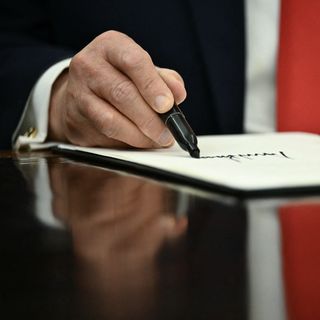
The United States and Iran are slated to electronically sign a memorandum of understanding (MOU) during a virtual meeting scheduled for Sunday. Pakistani and Qatari mediators have facilitated the agreement, which is expected to extend the current ceasefire by 60 days, facilitate the reopening of the Strait of Hormuz, and commence negotiations regarding Iran's nuclear program.
This upcoming remote signing is the culmination of almost three months of discussions between the U.S. and Iran. Pakistan, Qatar, Egypt, and Turkey have played mediating roles in these negotiations. The MOU is anticipated to conclude the regional conflict and potentially introduce stability to global energy markets.
Pakistani Prime Minister Shehbaz Sharif stated on X on Saturday that a peace deal was imminent and that Pakistan was preparing for the electronic signing, to be followed by technical-level talks the following week. The Pakistani foreign ministry later confirmed the virtual signing ceremony for Sunday.
President Trump also commented on Truth Social, stating that the deal was scheduled for Sunday and that the Strait of Hormuz would be open immediately after signing. He added that the U.S. would address Iran's nuclear material at an appropriate time, without specifying details on timing or methods.
U.S. officials and sources within the mediating countries confirmed the virtual nature of the signing, attributing it primarily to logistical considerations. One factor cited was Vice President J.D. Vance, who leads the U.S. negotiations team, not being able to return to the U.S. before President Trump's departure for the G7 summit in France on Monday morning.
President Trump is scheduled to meet with G7 leaders in France on Tuesday. Leaders from Egypt, Qatar, and the United Arab Emirates are also expected to attend. While Saudi Crown Prince Mohammed Bin Salman was invited, scheduling conflicts prevented his attendance. Israeli Prime Minister Benjamin Netanyahu is not expected to be present. Trump will also hold separate bilateral meetings with the three Arab leaders. Discussions at these meetings are anticipated to focus on the deal with Iran, regional opportunities post-conflict, the Strait of Hormuz, and an international coalition involving the UK and France to clear the strait of mines.
According to Axios, this agreement could signify a significant shift in regional dynamics.