U.S.-Iran Peace Deal and Hormuz Reopening Could Affect Inflation and Energy Markets
A potential U.S.-Iran peace deal and the subsequent reopening of the Strait of Hormuz are being watched for their possible impact on global inflation risks, particularly as they relate to upcoming Federal Reserve discussions. President Trump reported initial ship movements through the strait, but experts caution that sustained safe passage may be challenging. Analysts predict that while a deal could reduce geopolitical risk, the full recovery of global supply chains may be gradual.
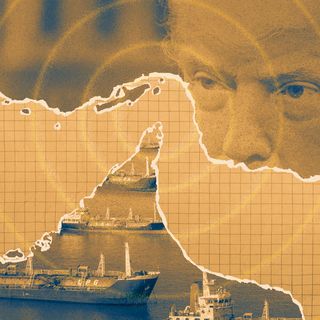
The prospect of a pending U.S.-Iran peace deal and the reopening of the Strait of Hormuz could alleviate significant inflation risks, which may be a key consideration for Federal Reserve Chairman Kevin Warsh's initial meeting.
President Trump stated Monday morning on Truth Social that "Ships are starting to move, many loaded up with Oil, out of the Strait of Hormuz."
Despite potential progress, ongoing disruptions to shipments of critical materials such as oil, fertilizer, and other industrial inputs continue to fuel inflation concerns within the Federal Reserve.
Ben May of Oxford Economics noted in a Monday morning analysis that navigation through the strait is expected to remain both riskier and more costly than before previous conflicts. He highlighted that potential damage from underwater mines or a sudden re-escalation of tensions could keep insurance coverage for the strait at elevated levels.
Reuters reported Monday morning that securing the strait from mines could take several weeks. May further elaborated that physical supply chain flows are likely to recover gradually rather than immediately, even if market prices react more swiftly to signals of a credible reopening agreement.
Ultimately, while a peace deal might reduce geopolitical risks, its effects on global supply chains are anticipated to unfold at a slower pace.
According to Axios, these developments are being closely monitored for their economic implications.