US-Iran Peace Deal Nears Finalization Amidst Signing Date Disagreement
An agreement framework for a peace deal between the United States and Iran is nearing an electronic signing, with technical-level talks anticipated next week. While Pakistan prepares for the remote signing, a discrepancy in the signing date has emerged between the two parties. Pakistani Prime Minister Shehbaz Sharif expressed hope the deal, expected to be finalized soon, would establish lasting peace. However, US President Donald Trump stated the deal was slated for Sunday, a claim denied by Iranian authorities who affirmed the deal was close but not for immediate signing.
Islamabad is preparing for an electronic signing of a framework for a peace deal between the United States and Iran. This agreement is expected to be followed by technical-level talks next week.
On Saturday, Pakistani Prime Minister Shehbaz Sharif announced via X that the agreement was anticipated to be “finalised in the next 24 hours,” expressing hope it would lay a “strong foundation for lasting peace.” Shortly after, US President Donald Trump reposted PM Shehbaz’s tweet.
President Trump, in a post on Truth Social, insisted the deal was “scheduled to get signed” on Sunday, which he stated would open the Strait of Hormuz. He added that no money would exchange hands and that nuclear material would eventually be “downblend and destroy[ed],” either in Iran or the United States. Trump also indicated an “ultimate alternative” if the process did not work out.
Conversely, Iran ruled out signing the deal on Sunday. Iran’s foreign ministry spokesperson, Esmaeil Baghaei, stated that while the deal was close, the exact timing for the signing of the ‘Islamabad MoU’ would not be Sunday. He did not rule out signing in the coming days but advised caution due to the other side's hesitation. Baghaei also confirmed that Iranian negotiators would not travel to Geneva or Islamabad in the “next day or two” for a signing. Iranian President Masoud Pezeshkian referenced a 12-day war against Israel last year, highlighting national unity.
A senior US official, quoted by Reuters, indicated that the US would participate in the de-mining of the Strait of Hormuz once the accord is sealed. Iranian Parliament Speaker Bagher Ghalibaf, according to Tasnim news agency, emphasized the necessity of “enforceable commitments” accompanying any understanding between Tehran and Washington.
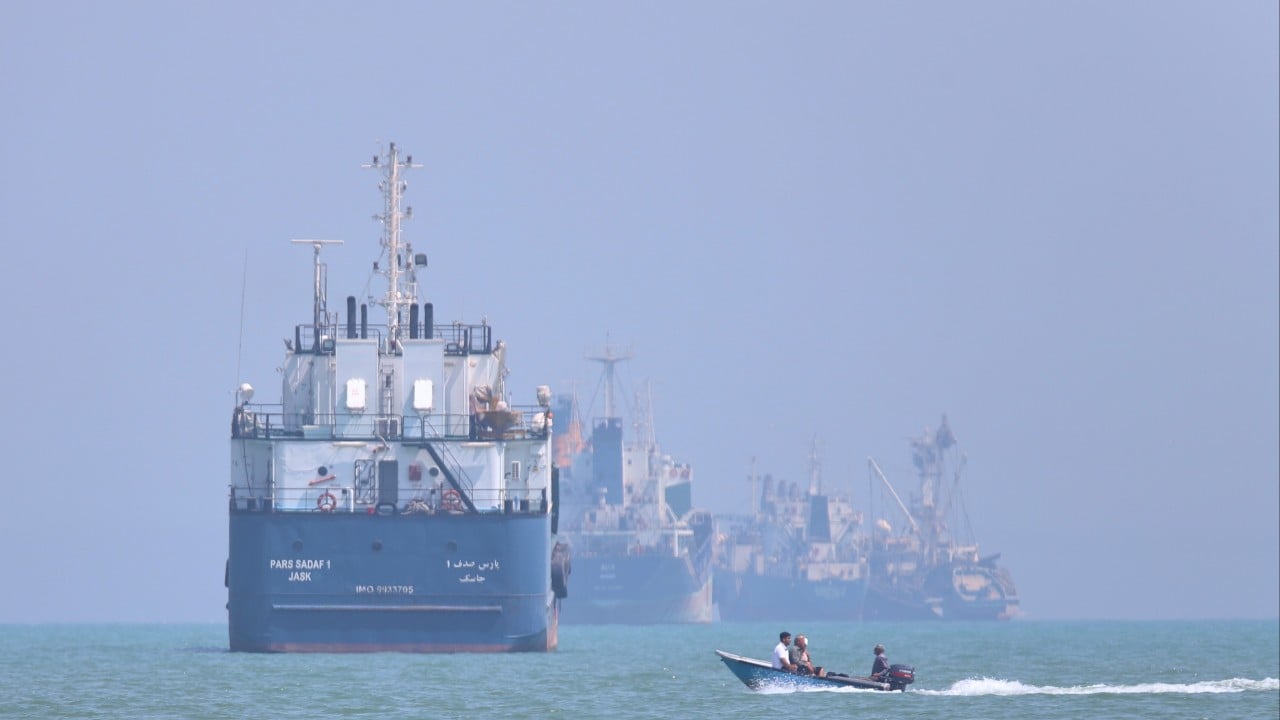
Amidst these diplomatic efforts, violence continued in the Strait of Hormuz. US forces reportedly shot down multiple Iranian one-way attack drones heading toward the strait. Iranian news agencies reported explosions along the strait near Sirik port and Qeshm Island, which local officials attributed to Iranian forces firing warning shots at vessels. Separately, a tanker was struck by an unknown projectile off the coast of Oman on Friday, as reported by Reuters, citing the UK Maritime Trade Operations Centre (UKMTO). The crew were reported safe, and the tanker continued its journey with no environmental impact.
Prime Minister Shehbaz received a call from Qatari Prime Minister Sheikh Mohammed bin Abdulrahman bin Jassim Al Thani, who lauded the diplomatic efforts of Pakistan’s premier and Chief of Army Staff Field Marshal Asim Munir. A statement from the Prime Minister’s Office (PMO) confirmed the peace deal was “ready for signatures by the relevant parties very shortly.” Pakistan's Foreign Minister Ishaq Dar and his Saudi counterpart, Prince Faisal bin Farhan, also welcomed the advanced stage of negotiations, anticipating that an electronic signing ceremony would contribute to regional peace and stability.
According to Dawn Pakistan, the negotiations reflect a historic milestone for Middle East peace.