U.S. Military Boosts Oil Transit in Strait of Hormuz Amid Iranian Tensions
The United States is actively asserting its capability to maintain open navigation in the Strait of Hormuz, countering Iran's demonstrated ability to close the critical waterway. U.S. officials, including Energy Secretary Chris Wright, President Donald Trump, Interior Secretary Doug Burgum, and Defense Secretary Pete Hegseth, have highlighted efforts to facilitate oil shipments. Hegseth reported 125 million barrels of oil have exited the Gulf under U.S. naval protection. This occurs amid ongoing exchanges of fire between U.S. forces and Iran's Islamic Revolutionary Guard Corps, as Iran operates its own coastal channel.
The Strait of Hormuz remains a contested maritime area, with Iran having demonstrated its ability to shut down the vital waterway. However, the United States has intensified its efforts to assert control and facilitate freedom of navigation, aiming to dilute Iran's leverage over the global economy.
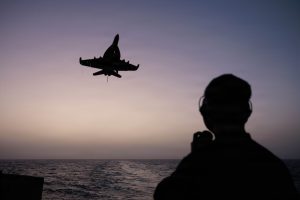
Since late last month, U.S. officials began revealing that a growing number of ships have been quietly crossing the strait with U.S. assistance. This support includes "naval overwatch" providing protection from potential Iranian attacks along a route near the Omani coast. While the traffic volume represents only a fraction of pre-war levels, it has provided the oil markets with essential breathing room and offered the U.S. additional flexibility in negotiations with Iran.
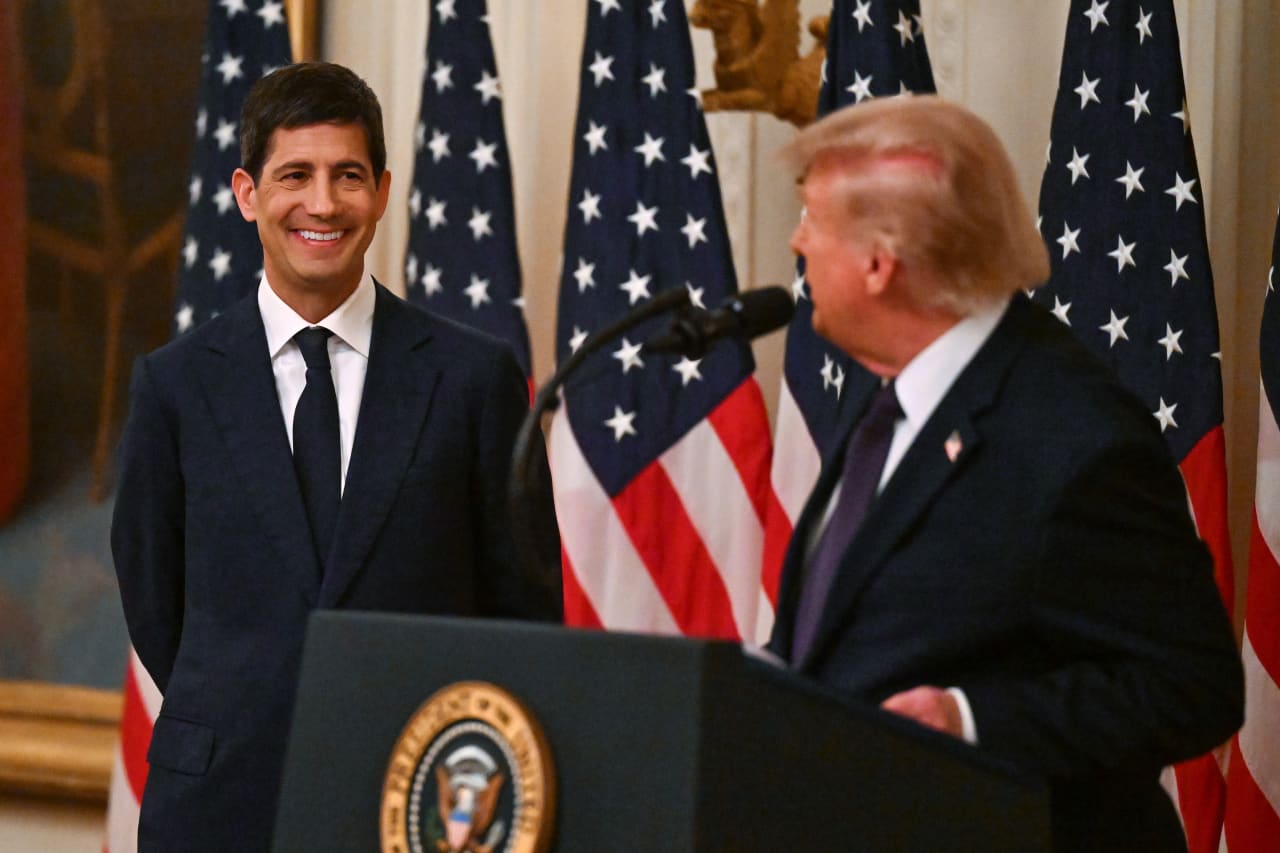
Energy Secretary Chris Wright testified to Congress that traffic in the strait was increasing "very meaningfully" through an undisclosed military operation. President Donald Trump later described a "secret mission" that he claimed had released over 100 million barrels of oil onto the market. On Thursday, U.S. Central Command issued a statement declaring the Strait of Hormuz open for transit, highlighting safe passage routes, hundreds of successful crossings, and forces positioned for defense, explicitly stating, "Iran does not control the Strait of Hormuz."
Interior Secretary Doug Burgum further stated that more than 20 ships exit the Persian Gulf on some nights under the cover of darkness with U.S. support. Defense Secretary Pete Hegseth informed CBS News that the U.S. naval blockage in the region is "impenetrable," with 125 million barrels of oil having exited the Gulf, which he said demonstrates U.S. control of the strait.
Concurrently, Iran has established its own separate channel through the strait along its coast, imposing tolls on passing vessels and attacking those attempting to bypass it. This has led to regular exchanges of fire between U.S. forces and Iran's Islamic Revolutionary Guard Corps (IRGC). U.S. aircraft have bombed Iranian missile sites and destroyed fast-attack boats, while the IRGC has launched drones at commercial ships and downed an Apache attack helicopter.
With U.S. military protection, tankers are crossing from the Persian Gulf into the Gulf of Oman, where they offload oil via ship-to-ship transfers—a tactic previously used by Iranian and Russian "shadow fleets" to circumvent Western sanctions. The newly loaded ships then transport oil globally, and empty tankers return to the Persian Gulf for more crude. This strategy has enabled Kuwait to draw down its accumulated oil inventories and offer crude to Asian refiners, the first time since the war began. The United Arab Emirates has also been selling oil using its pipeline infrastructure.
According to Fortune, these developments underscore the ongoing geopolitical and economic complexities surrounding the critical waterway.