Vietnam Aims to Become Asia's Next Cultural Export Powerhouse
Vietnam is actively pursuing a strategy to transform its economy from a manufacturing base to a hub for cultural exports. This ambition is driven by both governmental policies, such as Resolution 80, which elevates culture as a foundational pillar for sustainable development, and a burgeoning wave of grassroots creators. The government seeks a 10% annual growth in the cultural economy, aiming for it to constitute 7% of GDP by 2030, supported by new holidays, international showcases, and infrastructure projects. Young, digitally connected creators are also fostering a vibrant pop culture scene, with companies like Yeah1 and DatVietVAC growing in prominence.
Vietnam is positioning itself to become a significant cultural exporter in Asia, aiming to leverage intellectual property to advance its economy beyond traditional manufacturing. This initiative is fueled by a dual approach: top-down government policies and a bottom-up surge from young creators.
A key development is Resolution 80, passed in January, which designates culture as an indispensable foundation for Vietnam's sustainable development. This measure places culture as a coequal pillar alongside the economy, society, and the environment. According to Duc Khuong Nguyen, an advisor to the government and a senior fellow at the University of Cambridge, this resolution underscores the role of cultural industries in the nation's economic growth. While Hanoi has historically used culture for national cohesion, its recognition as a business driver is a recent shift.
The government's goals for the cultural economy include an annual growth rate of 10% and contributing 7% to the Gross Domestic Product (GDP) by 2030. In the past year, these efforts have manifested in a new public holiday celebrating culture, Vietnam's inaugural national showcase at the Venice Biennale, and the launch of Vietnam Today, an English-language state-owned broadcaster. Major construction projects are also underway, such as a new opera house in Hanoi, designed by Renzo Piano, and a 135,000-seat stadium projected to be the world's largest upon its 2028 completion.
Simultaneously, a vibrant cultural scene is emerging from grassroots efforts. William Lee Adams, a Vietnamese American journalist, notes that Vietnamese pop culture is spreading digitally rather than solely through state initiatives. A growing generation of young creators, empowered by increasing consumer spending and accessible internet, are creating content that reflects their own lives. This digitally connected population forms a "creative incubator."
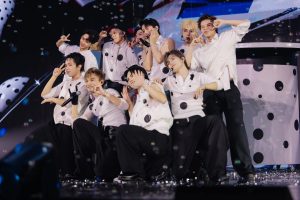
Projections indicate that 23.2 million people will join Vietnam's middle class by 2030, making it one of the fastest-growing globally. Luke Treloar of KPMG suggests this will shift the country from an "export to the world" model to one focused on domestic consumption. Despite a relatively lower Gross National Income (GNI) per capita of around $4,500 compared to established cultural powerhouses like South Korea or Japan, observers believe Vietnam can utilize its digital infrastructure and "culturally confident" youth to export culture earlier in its development curve. The burgeoning popularity of homegrown pop music, known as V-pop, is boosting companies like Yeah1, DatVietVAC, and POPS, with even large conglomerates like Vingroup entering the cultural business.
(Source: Fortune)