Alpha-Gal Syndrome Cases Rise, Linked to Lone Star Tick and Meat Allergy
Alpha-gal syndrome, a life-threatening meat allergy triggered by tick bites, is seeing a rise in cases across the United States. Primarily linked to the lone star tick, the condition causes an allergic reaction to a sugar found in most mammal meat and some dairy. Symptoms can include hives, digestive issues, and difficulty breathing, often appearing hours after consumption. Regulators have recently approved the first drug to treat this condition, with more therapies potentially in development.
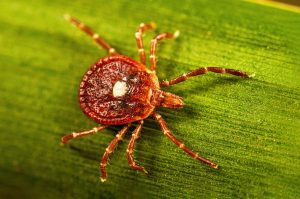
Alpha-gal syndrome, a severe allergic reaction to meat, is increasingly being reported in the United States. This condition is triggered by tick bites that introduce a type of sugar, known as alpha-gal, into the human bloodstream, prompting an immune system response. The sugar is naturally present in the meat of most mammals, but not in humans or other primates, and is also found in the saliva of certain ticks.
When a tick bite introduces alpha-gal into the bloodstream, the immune system develops antibodies that identify and attack these sugar molecules. Subsequent consumption of mammal meat or dairy products can then lead to allergic reactions. Symptoms typically emerge a few hours after eating and can include hives, diarrhea, itchiness, dizziness, difficulty breathing, and swelling of the lips, throat, tongue, or eyelids. Some individuals may only experience digestive issues such as stomach pain, vomiting, or nausea.
Cases of alpha-gal syndrome are on the rise, with an estimated 450,000 Americans having developed the allergy, according to a 2023 study by the Centers for Disease Control and Prevention. Experts attribute this increase partly to greater public and professional awareness, as well as the expanding habitat of the lone star tick. This tick, identifiable by a white dot on its back, is the primary source of the condition in the U.S. and has been reported in new regions, including the Great Lakes and Martha's Vineyard.
Diagnosis involves a blood test to detect alpha-gal antibodies, combined with symptom assessment and patient history, including any recent bug bites. While historical treatment has focused on avoiding mammal meats and carrying an epinephrine injector for emergencies, regulators have recently approved the first drug for the condition, and additional therapies may be forthcoming.
According to Fortune, seafood, poultry, chicken, turkey, and eggs do not trigger the allergy and are safe for consumption by individuals with alpha-gal syndrome.
Advertisement
AdSense slot • inline