AMD Removes Transparent Secure Memory Encryption from Consumer CPUs
AMD has reportedly removed Transparent Secure Memory Encryption (TSME) from some of its consumer-grade Ryzen processors. This security feature, designed to protect against physical attacks like cold boot attacks by encrypting memory contents, had previously been available on these lower-end chips. The change occurred recently without public warning, leading to user complaints. AMD has since stated that TSME is exclusively a feature of its PRO CPUs.
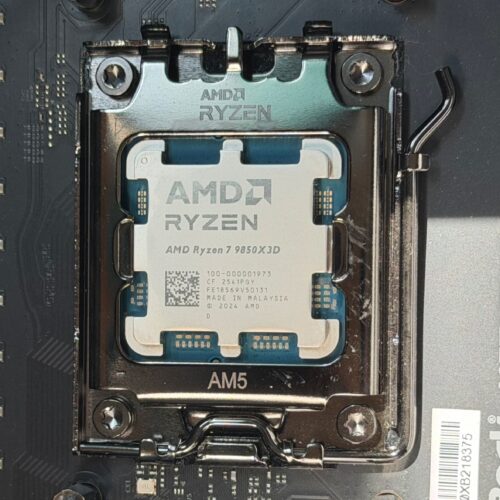
AMD has removed Transparent Secure Memory Encryption (TSME) from certain consumer versions of its Ryzen processors. This security feature, designed to encrypt the entire contents of memory to protect against physical exploits and cold boot attacks, was initially introduced in high-end AMD CPUs a decade ago.
Over time, TSME was extended to include lower-end processors, such as the consumer Ryzen chips. Users of these chips had come to rely on the added security provided by the feature.
The removal of TSME from these consumer CPUs reportedly occurred recently without prior warning or public notice. Detecting this change was difficult for users, particularly on Windows machines, and required significant technical effort for those using Linux operating systems.
Following the change, users have expressed dissatisfaction. AMD, when questioned, stated that TSME “is a security feature only applied to PRO CPUs as part of AMD PRO Technologies.” This marks the first time the chipmaker has explicitly made this restriction publicly known.
According to Ars Technica, AMD did not confirm why TSME was previously functional on these consumer CPUs before its removal.