Fertilizer Shipping Faces Backlog Even After Potential Hormuz Reopening
An interim agreement between the U.S. and Iran could potentially conclude a months-long conflict and lead to the full reopening of the Strait of Hormuz. However, this development is not expected to immediately alleviate challenges in fertilizer shipping. Shipowners are reportedly awaiting further details to thoroughly assess the safety of transits, indicating a likely persistence of backlogs for fertilizer flows.
An interim deal between the United States and Iran is under consideration, with the aim of ending a months-long war between the two nations. This agreement also carries the potential for a full reopening of the Strait of Hormuz, a crucial global shipping lane.
Despite the prospect of the Strait becoming fully accessible, it is deemed unlikely to immediately ease the flow of fertilizer shipments. Shipowners are maintaining a cautious stance, indicating that they require more specific details to evaluate the safety of transits through the waterway before resuming normal operations. This cautious approach suggests that a significant backlog for fertilizer traffic may persist.
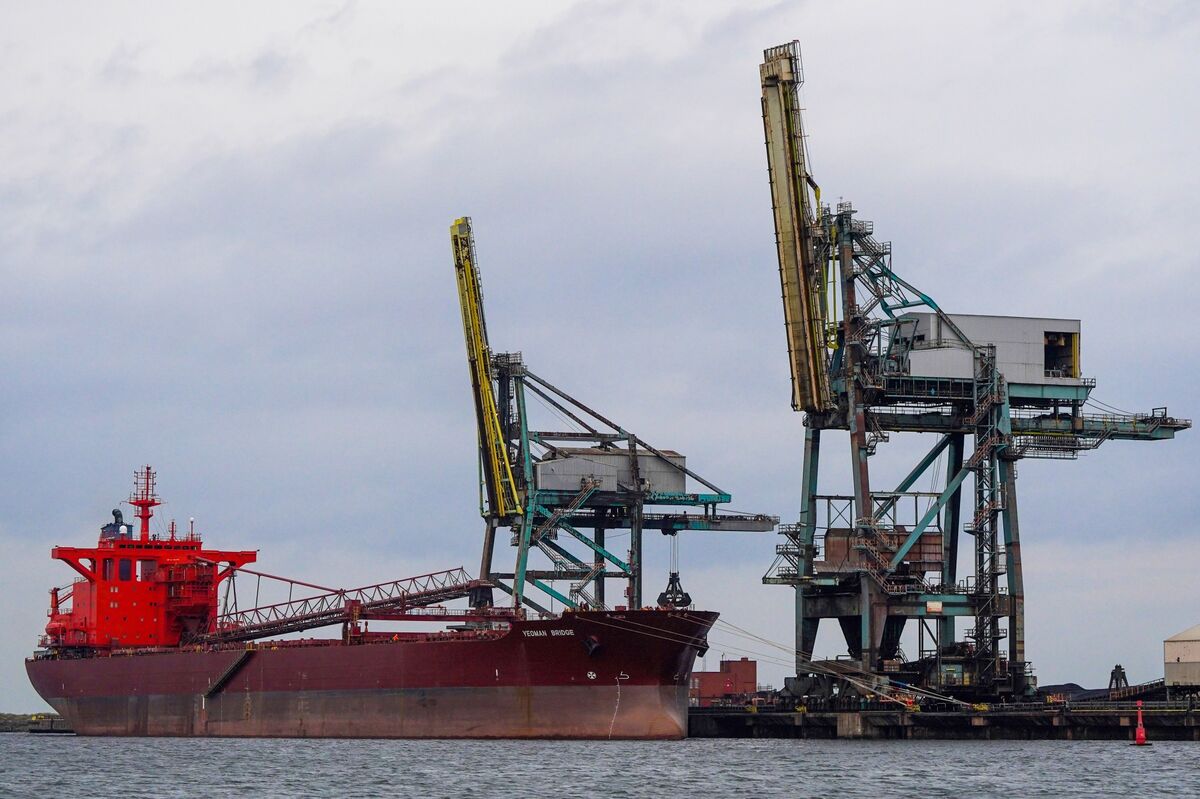
The "Yeoman Bridge," a self-discharging bulk carrier, is one example of a vessel operating within the fertilizer sector. It is known to load cargo at the potash berth located in Teesside, UK.
According to Bloomberg Markets, the shipping industry's concerns about safety and a demand for clarity on the situation in the Strait of Hormuz are key factors contributing to the expected delays.