Middle East Oil Markets Weaken Following US-Iran Strait of Hormuz Agreement
Middle Eastern crude oil markets have recently shown signs of weakening. This development is largely attributed to a surge in optimism regarding a potential increase in global oil supply. The optimism stems from a reported agreement between the United States and Iran to facilitate the reopening of the Strait of Hormuz, a critical maritime chokepoint. This reopening is widely anticipated to lead to a significant boost in oil flows originating from the region, influencing market dynamics.
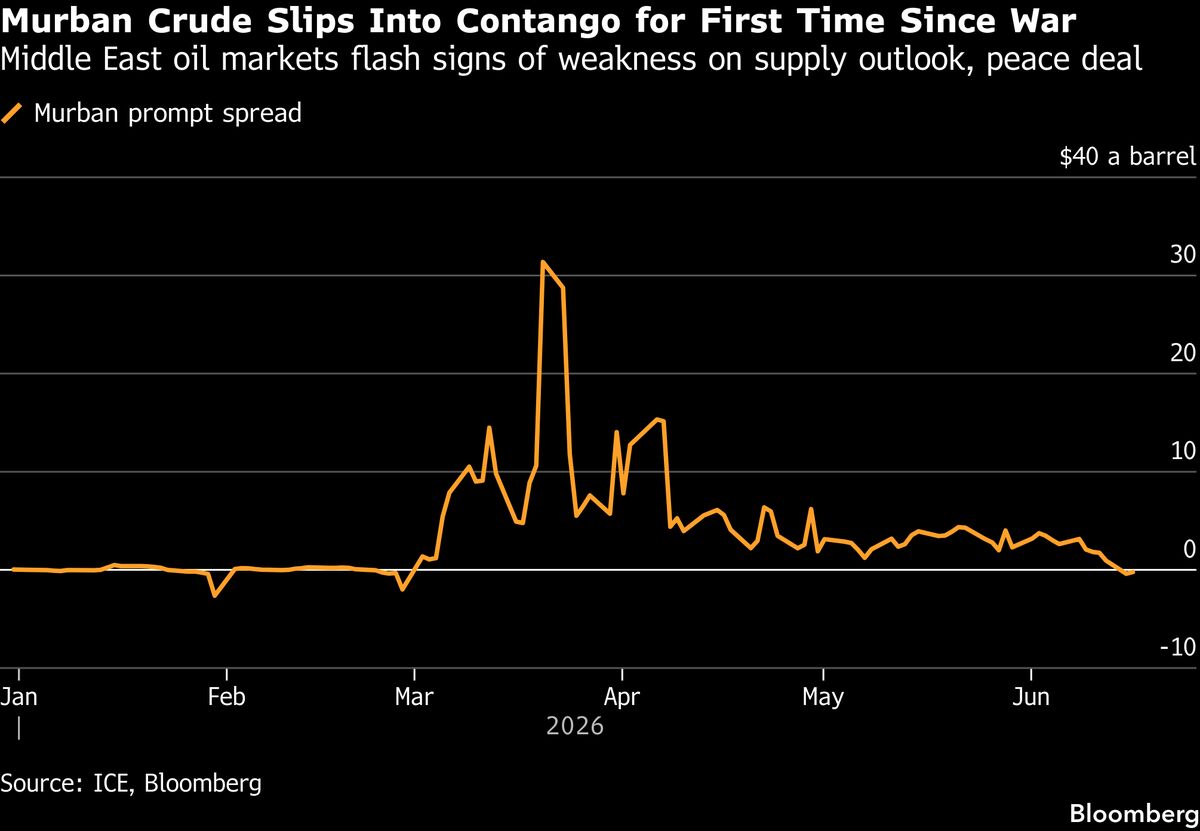
Middle Eastern crude oil markets have recently experienced a weakening trend. This decline is linked to growing optimism among market participants regarding a prospective increase in oil supply.
The primary catalyst for this shift in sentiment is an agreement reported between the United States and Iran. This accord focuses on the reopening of the Strait of Hormuz.
The reopening of the Strait of Hormuz, a crucial shipping lane, is anticipated to facilitate an increase in crude oil flows from the Middle East. This potential surge in supply has contributed to the observed weakening in regional crude markets.
According to Bloomberg Markets, this weakening is a direct result of the positive outlook surrounding increased supply.