Submarine Cable Vulnerability Sparks Global Security Concerns
The vulnerability of deep-sea submarine cables during conflicts has heightened global concerns regarding communication and maritime safety. Seventeen Asian and European nations have recently increased collaboration on defense strategies for seabed infrastructure. Notably, the two largest marine powers, China and the United States, are not participating in these joint efforts. This development comes amid discussions on the strategic implications of potential attacks on underwater communication lines.
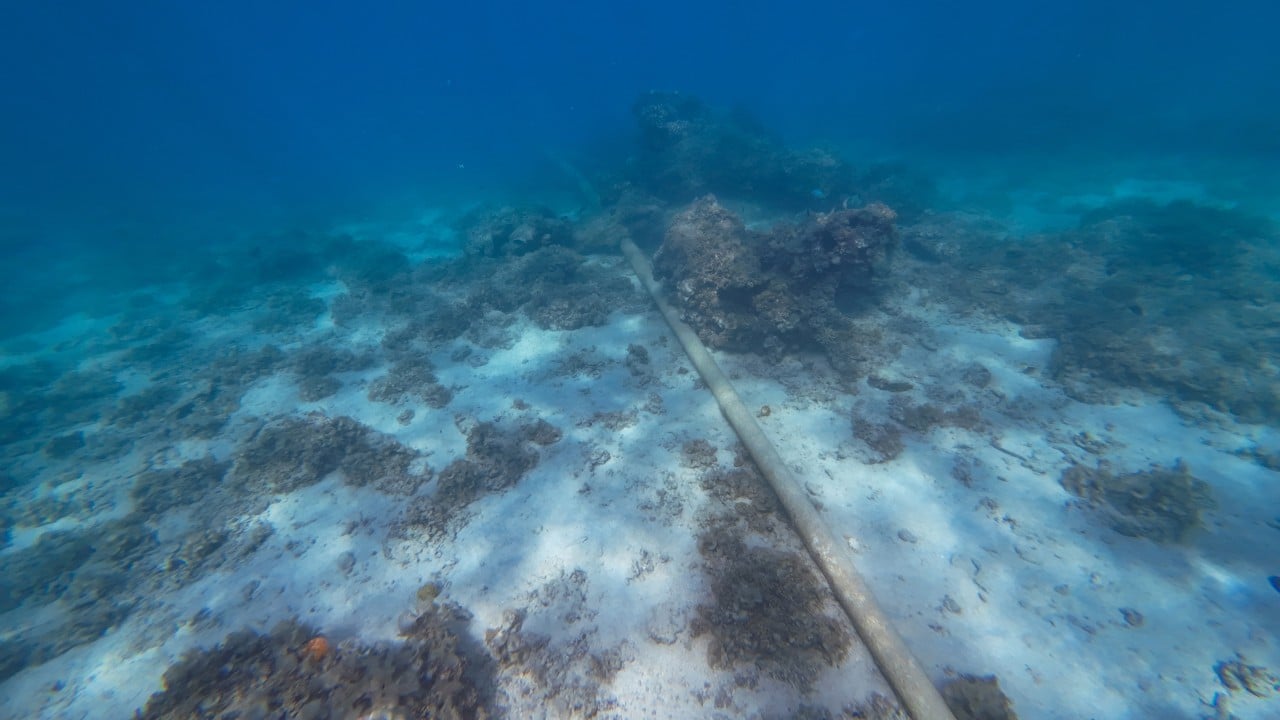
The vulnerability of submarine cables during conflicts has emerged as a significant concern for global communication and maritime safety. This issue has prompted seventeen Asian and European nations to enhance their collaboration on defense strategies specifically targeting seabed infrastructure in recent months.
Despite these international efforts, China and the United States, identified as the two largest marine powers, are not among the countries participating in this collaborative defense initiative.
The growing focus on seabed infrastructure is underscored by events such as the Nord Stream pipeline incident and the development of new technologies, including China’s deep-sea cable cutter. According to the CEO of RETN, deep-sea cable cutting possesses the potential to serve as a weapon of deterrence, likened in significance to nuclear weapons.
(Source: South China Morning Post)