Trump Anticipates Iran Deal Signing as Netanyahu Voices Concerns
President Trump informed Israeli Prime Minister Benjamin Netanyahu on Thursday evening that he expects to sign a deal with Iran within days, a development Netanyahu reportedly did not welcome. While Israeli officials privately express skepticism regarding the agreement's terms, Netanyahu told Trump he trusts him to ensure the final deal addresses shared concerns about Iran's nuclear program. The pending deal, which is not yet finalized, has raised worries in Israel about potential limitations on actions against Hezbollah and the extent of future Iranian nuclear concessions, a departure from Netanyahu's earlier objective of regime change in Tehran.
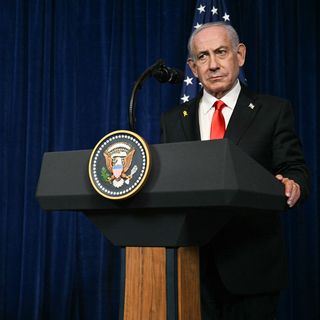
President Donald Trump notified Israeli Prime Minister Benjamin Netanyahu on Thursday evening of his expectation to sign a deal with Iran in the coming days. According to a senior U.S. official, Trump conveyed to Netanyahu, "This is the deal. It's a great deal, and it's time to end this war."
Netanyahu, who had previously stated his belief that the war could lead to regime change in Tehran, found himself largely out of the loop regarding the negotiations after Trump halted his plans for massive strikes against Iranian energy and infrastructure facilities earlier in the week. Rivals of Netanyahu are now accusing him of making Israel a "vassal state" by accepting Trump's terms for peace, four months before an election.
During their call, Netanyahu reportedly did not push back forcefully, stating his trust in Trump to ensure the final agreement addresses shared concerns about Iran's nuclear program. Despite this public stance, Netanyahu and other Israeli officials are privately highly skeptical of the pending deal.
Key concerns among Israeli officials include the possibility that Iran may prolong negotiations without making substantive nuclear concessions after the deal is signed. They also fear the Iranian government could stabilize itself by selling oil without the risk of war. Israeli Defense Minister Israel Katz stated on Friday that while Trump pursued a deal based on American interests, Israel expects shared principles concerning Iran's nuclear program, missiles, and "terrorist proxies" to be upheld. Katz also asserted Israel's retained ability to act independently to prevent Iran from acquiring a nuclear weapon.
Concerns also extend to Lebanon, as the ceasefire in the deal is expected to apply to the country. Israeli officials worry this could limit their freedom of operation against Hezbollah and require consultation on every strike. A senior U.S. official acknowledged Israeli skepticism regarding Hezbollah but expressed confidence that the Israelis would ultimately "get on board" with the peace process.
On Friday morning, Israeli officials sought clarification from the White House after Iranian state media claimed the deal would immediately provide Iran with billions of dollars. U.S. officials reassured them that the Iranian reports mischaracterized the agreement, clarifying that benefits would only be delivered after Iran's compliance.
Events in Lebanon, particularly the ongoing cross-border exchanges between Israeli forces occupying southern Lebanon and Hezbollah, could destabilize the deal. A senior U.S. official indicated that continued rocket fire by Hezbollah or Iranian arming of the group would contradict the agreement. For Netanyahu, co-signing a deal to end the war without achieving his stated objectives would represent a significant strategic and political setback.
(Source: Axios)
Advertisement
AdSense slot • inline