US and Iran Near Deal to End Conflict, Reopen Strait of Hormuz
A deal to conclude the conflict between the United States and Iran and reopen the vital Strait of Hormuz is reportedly close to finalization, with an agreement expected within 24 hours. Pakistan is preparing for an electronic signing, to be followed by technical discussions next week. The proposed deal includes provisions for Iran's nuclear program, the phased lifting of sanctions, and the release of frozen Iranian assets, though Iran's demand for a ceasefire in Lebanon remains a point of contention. This potential breakthrough follows recent exchanges of fire and disruptions to global energy shipments.
A potential agreement to end the conflict between the United States and Iran, which would also facilitate the reopening of the Strait of Hormuz, is reportedly nearing completion. Pakistan's Prime Minister Shehbaz Sharif stated on Saturday that a deal to end the Middle East conflict is closer than ever and is expected to be finalized within 24 hours. Pakistan is preparing for the electronic signing of the agreement, which will be followed by technical-level talks next week.
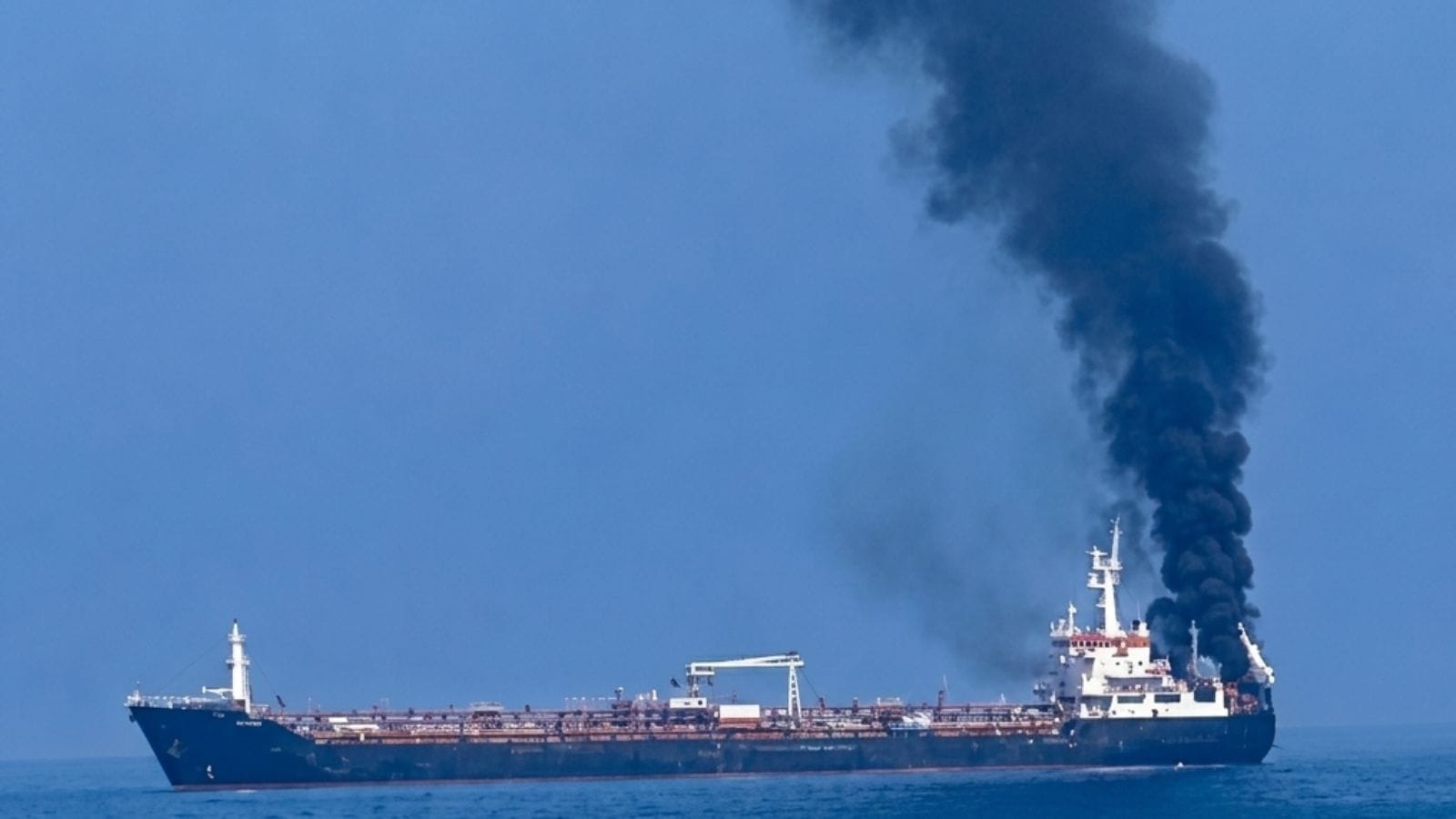
The apparent diplomatic progress comes after recent exchanges of fire between Iran, the U.S., and Israel. U.S. Central Command reported intercepting several Iranian attack drones targeting commercial ships in the Strait of Hormuz. The broader conflict, which began on February 28, has disrupted oil and natural gas shipments from the Persian Gulf and caused global energy price increases. A fragile ceasefire has been in place since April 7.
Key terms of the emerging agreement include addressing Iran’s nuclear program, with details expected to be finalized within 60 days of the initial signing. A senior U.S. administration official, speaking anonymously, indicated the deal would initiate the process of destroying or removing Tehran's highly enriched uranium. Iranian Foreign Minister Abbas Araghchi confirmed the 60-day period for nuclear program specifics, which could be extended.
The agreement is also expected to outline conditions for reopening the Strait of Hormuz. Araghchi stated that Iran seeks to charge ships for “services rendered” when transiting the strait, a toll system Iran has imposed during the conflict, which the U.S. and other nations consider a violation of international law. Additionally, the deal is anticipated to include the phased lifting of sanctions on Iran and the release of its frozen assets, according to three anonymous regional officials.
However, the situation in Lebanon remains unresolved. Iran has insisted on a ceasefire in Lebanon, where Israel has been engaged in fighting with Hezbollah. Israeli Defense Minister Israel Katz stated on Friday that Israel might still act independently towards Iran and would not withdraw from occupied territories in Lebanon, Syria, Gaza, or the northern refugee camps of the Israeli-occupied West Bank. Fighting continued in southern Lebanon on Saturday.
(Source: Fortune)
Advertisement
AdSense slot • inline