IPO Announcements Evolve into Strategic Branding Events for Tech Companies
Initial public offerings (IPOs), while serving official functions like capital raising and providing liquidity, have increasingly become strategic branding and publicity events. The reported $1.77 trillion valuation for SpaceX, partly driven by its artificial intelligence ambitions, highlights this trend. AI rivals Anthropic and OpenAI recently filed preliminary paperwork with the Securities and Exchange Commission, signaling their intent to go public and competing for market attention, despite offering limited details on timing or pricing. This marks a shift from early public markets where IPOs were largely quiet financial transactions.
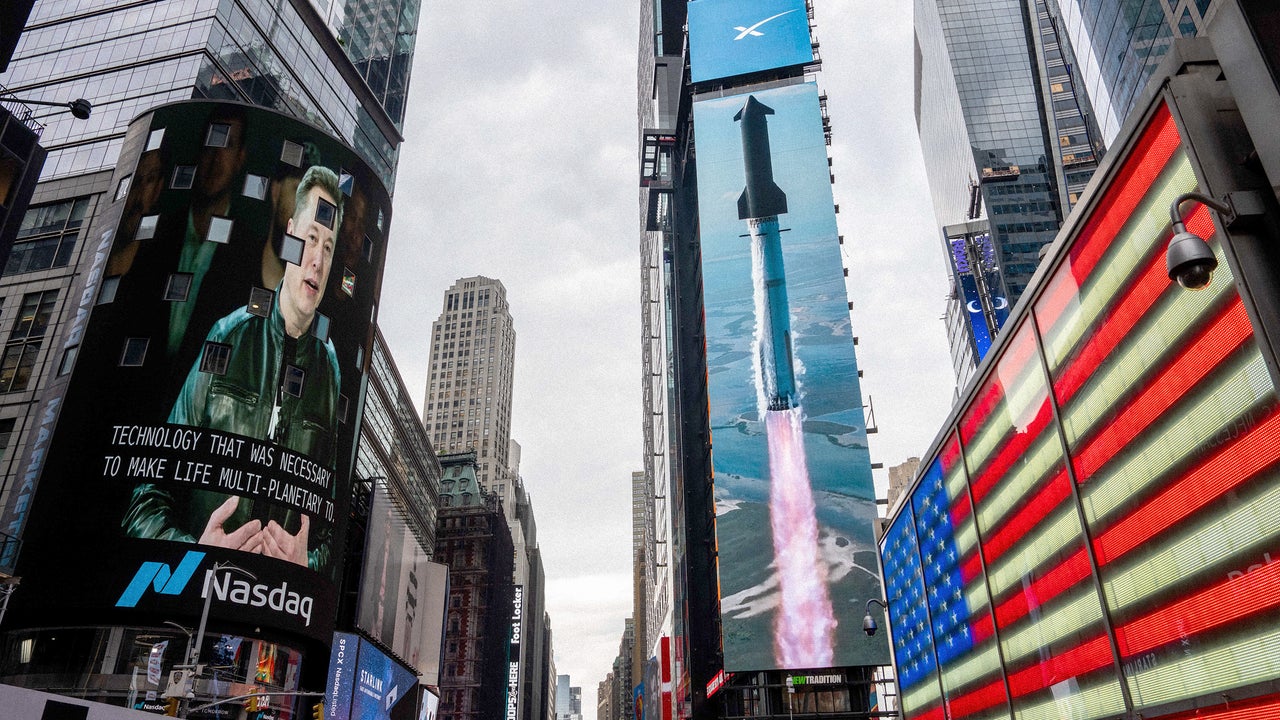
Initial public offerings (IPOs) serve the official functions of raising capital and providing liquidity for equity holders and early investors. However, they have also evolved into significant branding and publicity events. The reported $1.77 trillion valuation of SpaceX, influenced by its artificial intelligence ambitions, exemplifies this dual role.
AI companies Anthropic and OpenAI recently announced their intentions to go public, filing preliminary paperwork with the Securities and Exchange Commission this month. These filings occurred as public interest in SpaceX's potential IPO was high. While Anthropic and OpenAI have not provided specific details regarding timing or pricing, their announcements position them in ongoing market discussions and rivalries, including with SpaceX, for leadership in the technology sector.
Historically, IPOs in the early decades of public markets were primarily quiet financial transactions reported in financial publications. This began to change in the 1980s with the expansion of business media and a growing focus on CEO entrepreneurs. Apple's 1980 IPO, for instance, garnered public attention due to its association with technology and innovation.
The dot-com era further transformed IPOs, with Netscape's 1995 offering often cited for its use as a major public declaration that captured mainstream attention when its share price doubled on opening day. Many dot-com companies with limited revenue used IPOs as launch parties, where first-day trading surges became media events, attracting retail investors. While many of these companies did not endure, the publicity aspect of IPOs persisted.
The 2000s and 2010s saw a similar dynamic with high-profile consumer technology companies like Facebook (2012) and Uber (2019). Regardless of corporate intent, the IPO became a corporate moment guaranteed to attract public attention, serving both media and market ecosystems.
Currently, the AI sector is showing signs of a wave of high-profile IPOs carrying significant cultural weight, reminiscent of dot-com listings. Companies now tend to remain private longer than in the late 1990s, often becoming established names before going public. However, profitability can still be a challenge; for example, SpaceX's AI division reportedly incurred over $6 billion in losses last year, contributing to the overall enterprise's unprofitability. OpenAI is also reportedly considering product price cuts to compete with Anthropic. Despite some disagreements about valuation rationales, market demand, particularly from retail investors, appears strong.
The announcement of IPO readiness functions as a signal for AI brands, indicating the sector's legitimacy and their status as significant players. For some aspiring companies, signaling a potential trillion-dollar IPO has become a standard practice in the industry.
(Source: Fast Company)