Iran's Economy in Free Fall: Inflation Soars Post-Conflict
Iran's economy is reportedly in a state of collapse following a recent conflict, exacerbating pre-existing challenges like high inflation and a depreciating currency. Prices for basic food items have seen significant year-over-year increases, with cooking oil up 430% and eggs up 345%. The International Monetary Fund projects a 6.1% economic contraction for Iran this year, while the United Nations warns millions more could fall below the poverty line. Experts note widespread economic discontent and warn of potential unrest if conditions do not improve.
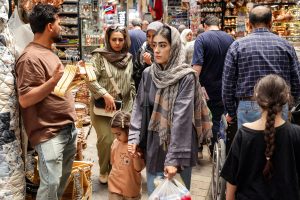
Iran's economy is reportedly in a state of collapse following a recent conflict involving the U.S. and Israel, a situation that risks exacerbating internal unrest. The nation's economic challenges, including high inflation and a depreciating currency, predated the conflict, having triggered widespread protests in December. The recent war has intensified these issues, leading to a significant increase in unemployment and prices for essential goods.
Official data from the Iranian government indicates a steep rise in the cost of basic food items over the past year. Cooking oil prices surged by 430%, eggs by 345%, rice by 287%, and milk by 139%. A Tehran resident described the financial hardship, stating that even those previously considered middle class are now financially destitute, resorting to selling household items and seeking alternative income sources due to unemployment.
Iran estimates the war caused $270 billion in damage, a figure nearly equivalent to its Gross Domestic Product. The International Monetary Fund forecasts a 6.1% contraction for the Iranian economy this year. The United Nations has also warned that an additional 4.1 million Iranians could fall below the international poverty line.
Decades of economic mismanagement by the regime are cited as a contributing factor, with policies like an internet blackout further impacting employment. A U.S. naval blockade has reportedly cut off Iran's oil revenue, placing pressure on its foreign exchange reserves, which Capital Economics estimated in April were sufficient for only three months of imports at pre-war levels.
Javad Rahimpour, an Iran-based economist, noted high economic discontent among the population, although he suggested conditions for immediate protests might not currently exist. However, an Iranian government employee who regularly attends pro-regime rallies reportedly expressed frustration, indicating that his pay is exhausted by mid-month and he faces doubling prices when settling grocery credit. He warned that "everybody is angry over the economy and if the government doesn’t fix things, there will be trouble."
Former U.S. diplomat Dennis Ross suggested that Iran's leaders must confront their failures to provide for the populace without solely attributing problems to the conflict. Ross further indicated that the regime would likely prioritize rebuilding its military and defense industrial base, potentially diverting resources away from a civilian economy already strained by shortages of water and electricity. He predicted that Tehran's capacity to manage domestic issues would remain limited, leading to increasing internal pressures, possibly fostering a leader focused on domestic development and reducing international confrontation.
(Source: Fortune)