Global Oil Supply Recovery Anticipated to Take Months Despite US-Iran Ceasefire
Despite an agreement announced Sunday to end the Iran war and open the Strait of Hormuz, global oil and gasoline supply issues are not expected to resolve quickly, according to energy experts. It could take months for energy companies to restore operations sufficiently to meet world demand. Challenges include the slow pace of crude oil shipping and refining, lingering security doubts about transit through the strait, and the need to restart oil production that was previously halted.
An agreement to end the Iran war and reopen the Strait of Hormuz, announced on Sunday, is unlikely to lead to an immediate resolution of high oil and gasoline prices or energy supply problems, experts state. It is anticipated to take several months for energy companies to fully resume operations and meet global demand.
Key factors contributing to the expected delay include the slow processes of shipping and refining crude oil, alongside ongoing concerns regarding the security of travel through the strait. Before the conflict, approximately one-fifth of the world's oil and gasoline supplies typically transited this waterway. Ships laden with crude oil have been stranded in the Persian Gulf for over three months, unable to safely pass.
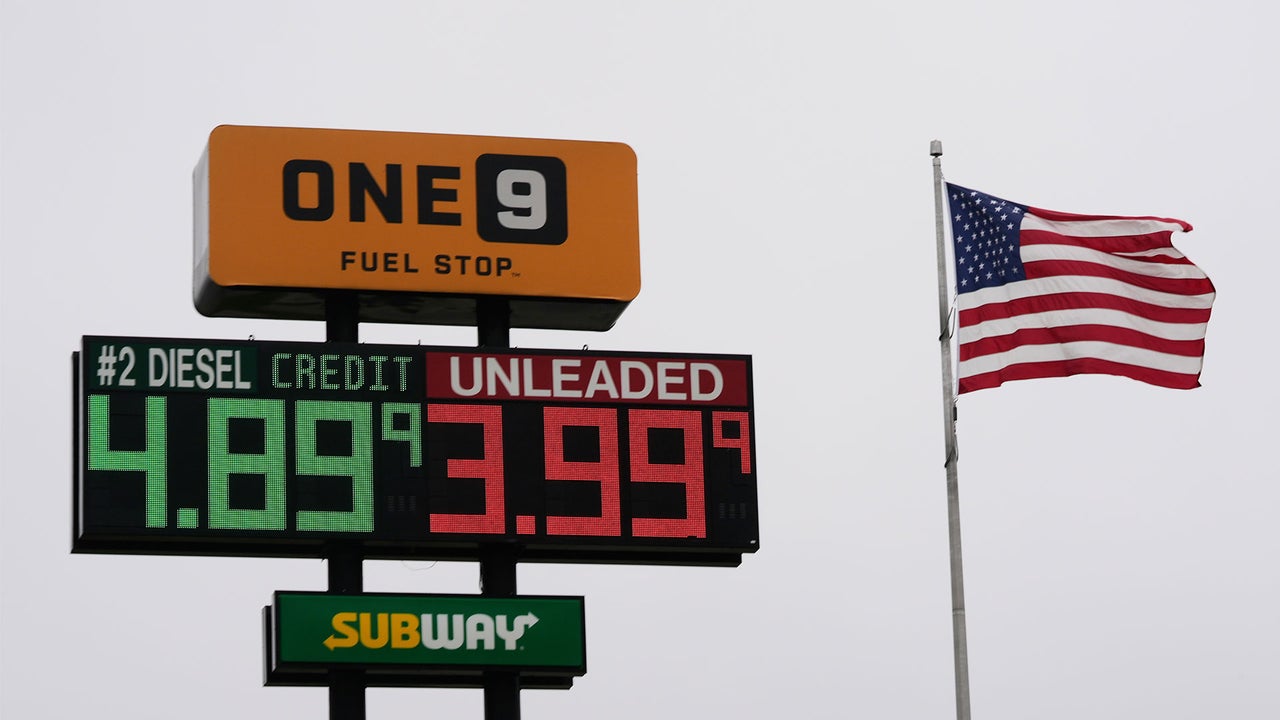
Daniel Evans, global head of fuels and refining research at S&P Global Energy, noted that time is needed for confidence to be restored and for insurance provisions to be established, particularly for personnel to restart assets on the ground. After the deal was announced, oil prices saw a slight decrease on Monday; Brent crude, the international standard, dropped by $3.45 to $83.89 per barrel, while U.S. benchmark crude oil fell by $4.03 to $80.85 per barrel. These prices remain higher than the roughly $70 per barrel seen before the war.
The process involves stranded ships exiting the strait, followed by new tankers entering for loading. Evans explained that bringing a ship in requires a significant window of safety. Oil tankers also move slowly, taking months to travel from the strait to distant countries, deliver crude oil for refining, and reach their final destinations.
Some Middle Eastern producers had paused oil extraction, a practice known as a shut-in, due to a lack of storage space. Restarting these operations is a slow process. Alan Gelder, senior vice president of refining, chemicals, and oil markets at Wood Mackenzie, an analytics firm, suggested that countries like Saudi Arabia and the United Arab Emirates, which have alternative pipelines or routes, might be quicker to resume production. However, places like Iraq, which experienced larger shut-ins and have more challenging fields, could take about a year to recover.
Investment in the energy system, which typically yields results over years, also ceased following the strait's closure, and restarting this capital flow will take time. Daniel Sternoff, a senior fellow at the Center on Global Energy Policy at Columbia University, indicated that countries will likely delay restarting production until they are assured of a stable and durable strait, and that the ceasefire will last beyond 30 or 60 days. The specifics of what "open" means and the speed of evacuating trapped materials remain unclear.
According to Fast Company, Cathy Bussewitz of the Associated Press contributed to this report. (Source: Fast Company)