SpaceX IPO Highlights Retail Investor Challenges and Trading Platform Strain
The initial public offering (IPO) for SpaceX generated over $250 billion in demand, significantly surpassing the $75 billion sought from the public market. Despite reported retail demand of $100 billion, individual investors on platforms like Robinhood and Fidelity received only a fraction of the shares they requested. The surge in interest led to technical issues for retail trading platforms, including latency on Robinhood and allocation failures on Bybit, raising questions about infrastructure capacity for future high-profile tech IPOs.
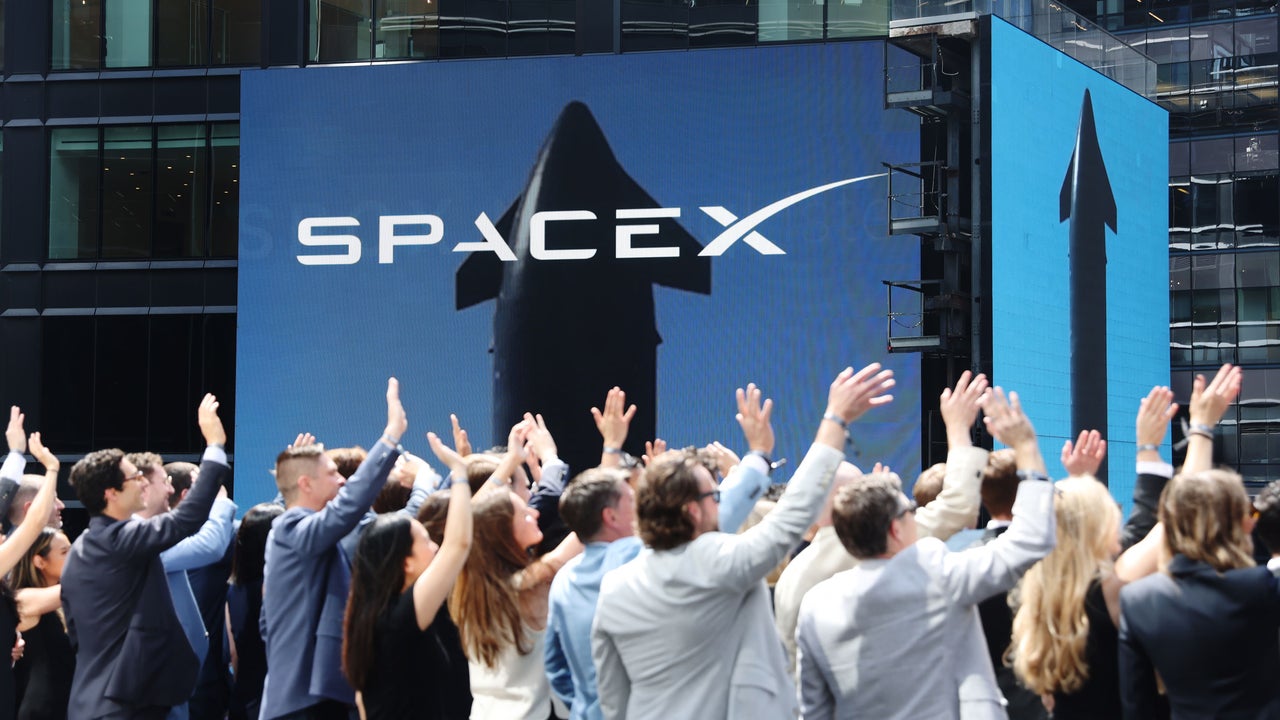
SpaceX's recent initial public offering experienced substantial market demand, with reports indicating over $250 billion in requests compared to the $75 billion the company aimed to raise. The stock price reportedly rose 27% within the first few hours of trading.
However, retail investors encountered significant difficulties in acquiring shares. Jay Ritter, director of the IPO Initiative at the University of Florida’s Warrington College of Business, shared instances where individuals requesting 100 or 1,000 SpaceX shares through Robinhood received only one. Similarly, a Fidelity customer reportedly received just 10 shares after requesting 300. Despite Bloomberg reporting $100 billion in retail demand, these investors reportedly secured only a small percentage of their desired allocations.
This discrepancy is attributed to a preference for institutional investors by stock allocators and the relatively small proportion of the overall market that retail investment platforms represent, despite their popularity. Unprecedented interest in these public-friendly stocks also tested the infrastructure of retail trading applications.
On June 12, 2026, Robinhood reported experiencing "latency and intermittent issues" due to record-breaking traffic driven by interest in SpaceX, according to a post on X. Another trading platform, Bybit, also struggled to allocate SpaceX shares, attributing the issue to xStocks, a tokenized equities platform. Bybit announced it would refund all subscribed users due to the inability to deliver the underlying assets.
These events underscore how intense interest in a single stock on a given day can strain market systems. With companies like Anthropic and OpenAI having filed S-1 documentation in anticipation of their own IPOs, similar or even greater demand is expected, prompting questions about the market's capacity to accommodate retail investors.
According to Fast Company, Sarah Friar, OpenAI’s chief financial officer, previously noted a widespread desire to invest in such high-profile companies.