Workplace Mental Health Transitions to a Leadership Imperative
Employee mental health is increasingly recognized as central to organizational performance, influencing leadership, collaboration, and productivity. This shift moves beyond traditional HR benefits to a core business strategy, as companies acknowledge the widespread stress and pressures affecting the workforce. Low employee engagement, often linked to mental health challenges, costs the global economy an estimated $8.9 trillion annually in lost productivity. Forward-thinking companies are now integrating well-being into performance metrics and leadership responsibilities, with initiatives like mental health days and manager training.
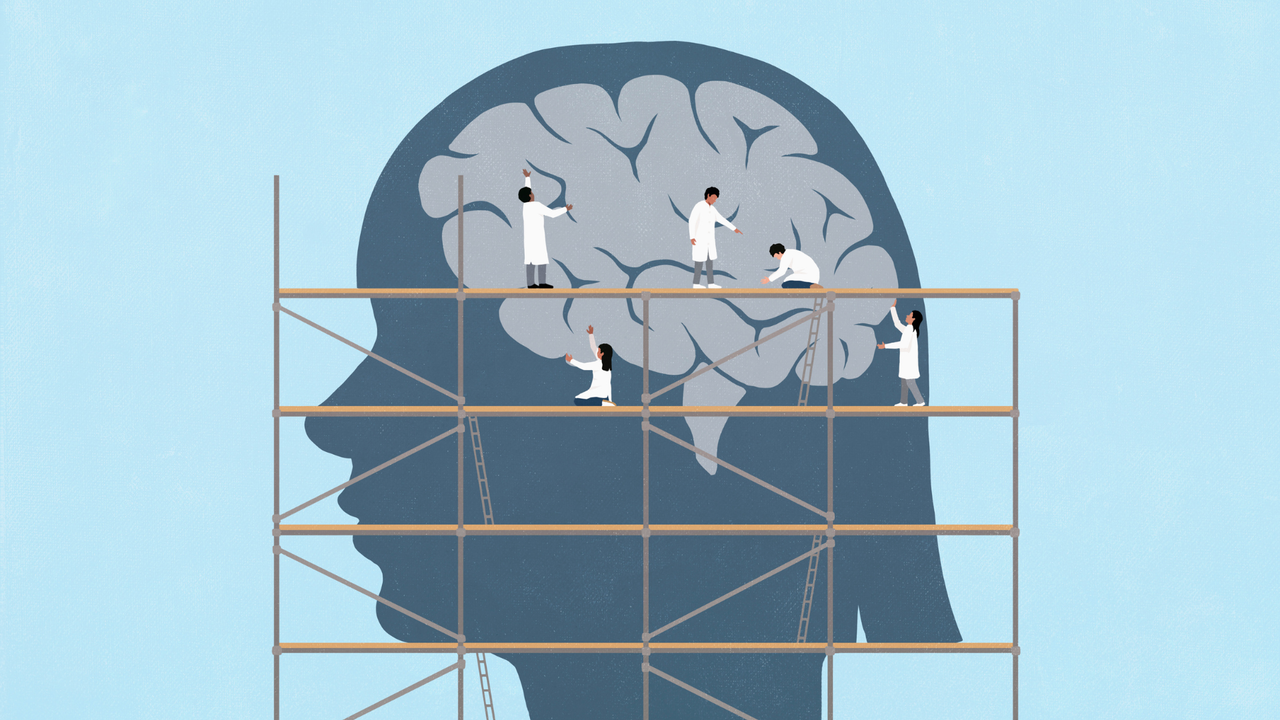
Workplace mental health is no longer considered a peripheral benefit but a central component of organizational success, fundamentally shaping how employees lead, collaborate, manage stress, and remain in the workforce. This evolution reflects a growing understanding among companies that employee well-being directly impacts performance.
Today's workforce frequently navigates significant stress, anxiety, financial pressures, caregiving responsibilities, and feelings of loneliness. These burdens, often invisible to traditional performance metrics, impact employees' daily engagement and productivity. The cumulative effect of a 24/7 digital culture, economic strain, intergenerational caregiving, and a sense of disconnection contributes to these challenges.
The economic implications of this reality are substantial. According to Gallup, low engagement stemming from these issues results in an estimated $8.9 trillion loss in global productivity each year, underscoring that disconnection carries both human and business costs.
In response to this growing awareness, employers are developing more intentional strategies. Ameriprise Bank, with support from CHC: Creating Healthier Communities, recently piloted "Mental Health Mondays," a three-part webinar series held in May. This initiative connected employees with nonprofit organizations and mental health experts, providing tailored support rather than generic wellness advice.
Ameriprise Bank's approach offered a five-point model for other employers: First, they started with reality, acknowledging the sustained stress among employees. Research indicated that 80% of financial institution employees experienced at least one mental health symptom in the past year, and 69% cited mental health reasons for leaving roles, significantly higher than other industries.
Second, the bank incorporated trusted expertise, collaborating with organizations such as the American Psychiatric Association Foundation and NAMI to deliver credible, evidence-based content. Third, sessions featured specific content on self-care, mindfulness, the unique pressures faced by financial services professionals, and the importance of workplace belonging.
Fourth, the program prioritized creating space for dialogue through interactive sessions, live Q&A, and chat functions, which helped normalize conversations around mental health. Fifth, mental health was framed as a shared responsibility, with senior leaders visibly participating and promoting the sessions, encouraging managers and teams to attend together.
This holistic approach signals that supporting employees is a collective effort across all levels of an organization, not solely an individual or HR concern. The future of work will be increasingly defined by how well companies support their employees, fostering environments where well-being and performance mutually reinforce one another.
According to Fast Company, organizations that prioritize mental health will not just react to change but will actively shape a future where people can thrive and perform their best work. (Source: Fast Company)