The Enduring Legacy of Puppets in Cinema
Puppets are frequently recognized as essential contributors to filmmaking, celebrated for their capacity to bring fantastical elements to life through skilled craftsmanship. These practical effects offer a distinct visual experience, often considered to avoid the "uncanny" quality sometimes associated with computer-generated imagery. Numerous acclaimed films have utilized puppets, showcasing their full potential and establishing them as a beloved aspect of cinematic storytelling.
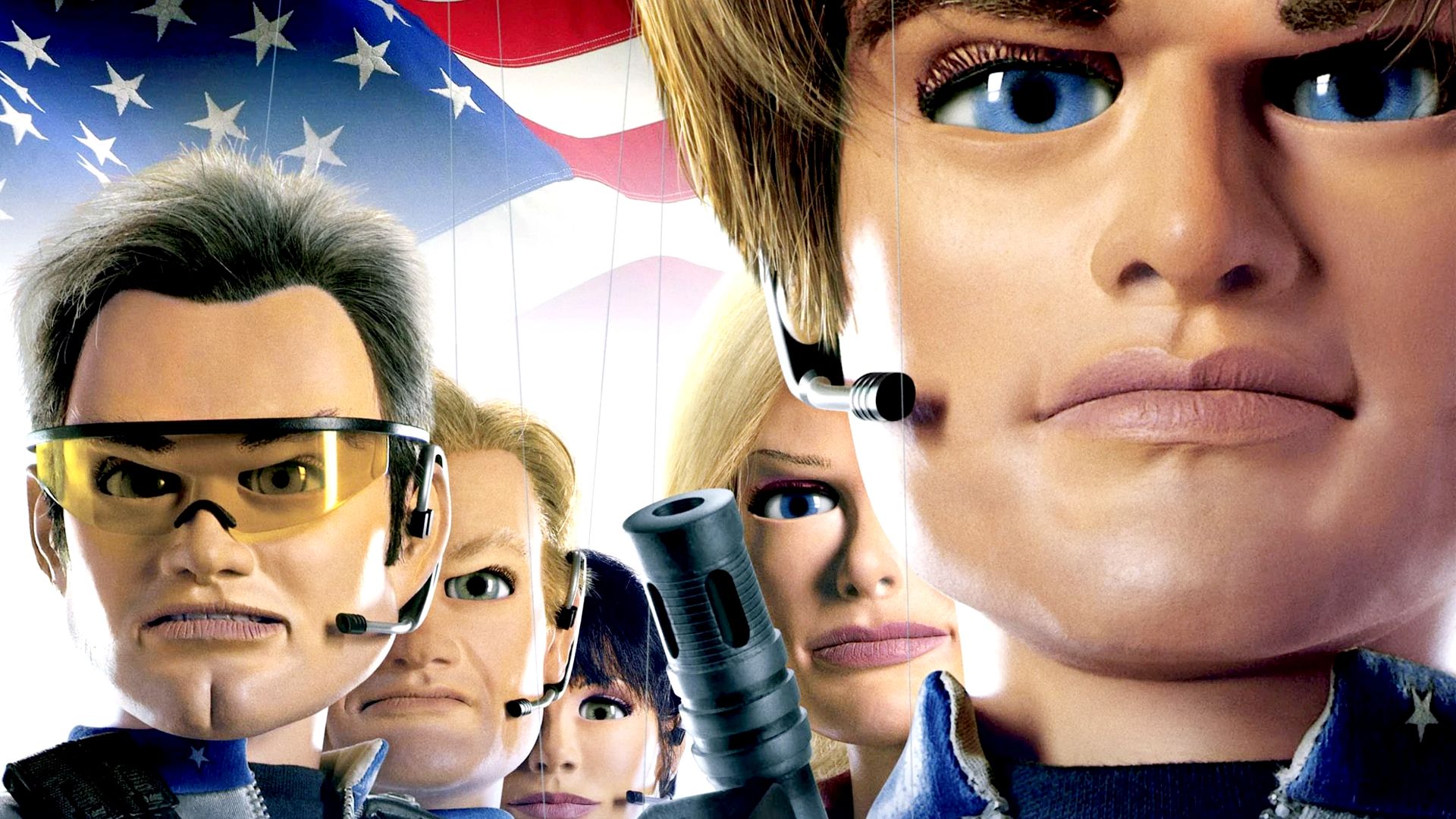
Puppets hold a distinguished place in the history of cinema, often lauded as unsung heroes for their unique contributions to storytelling. Through intricate craft and skilled manipulation, they have consistently enabled filmmakers to depict the impossible on screen. This traditional form of special effects relies on physical artistry to create characters and creatures that resonate with audiences.
One notable advantage attributed to puppets is their capacity to deliver visual effects without the potential "uncanniness" that can sometimes arise from computer-generated imagery (CGI). The tangible nature of puppets often provides a distinct aesthetic, fostering a unique connection with viewers. This quality has cemented their role in various productions over the decades.
Many films have garnered widespread affection and critical acclaim for their imaginative use of puppets. These productions effectively leverage manikins and marionettes, demonstrating their versatility and impact in creating memorable cinematic moments. The integration of puppets allows for a blend of artistry and storytelling that continues to be celebrated by audiences and filmmakers alike.
According to ScreenRant, puppets are fundamental to cinema, providing a distinct form of practical effects that contribute significantly to the visual appeal and narrative depth of beloved movies.