UN Security Council Extends UN Mission in Afghanistan Mandate to 2027 Amid Security and Humanitarian Concerns
The United Nations Security Council (UNSC) unanimously adopted a resolution extending the mandate of the UN Assistance Mission in Afghanistan (UNAMA) until June 17, 2027. The resolution, drafted by China, highlights deep concerns regarding Afghanistan’s humanitarian crisis, terrorism threats, human rights situation, and regional stability. UNAMA is tasked with supporting efforts for the voluntary return of refugees, facilitating dialogue with Afghan authorities, and addressing security issues like the presence of terrorist groups. The mission will also focus on strengthening humanitarian assistance, ensuring unhindered access, and promoting human rights, particularly for women and girls.
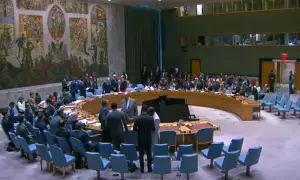
The United Nations Security Council (UNSC) on Monday unanimously adopted a resolution extending the mandate of the UN Assistance Mission in Afghanistan (UNAMA) until June 17, 2027.
The resolution, drafted by China and approved by all 15 UNSC members, reaffirms the UN’s central role in supporting peace and stability in Afghanistan and maintaining engagement with the country’s de facto authorities and other stakeholders. It highlights significant concerns over Afghanistan’s humanitarian crisis, terrorism threats, the human rights situation, and regional stability.
UNAMA has been directed to support efforts to create conditions conducive to the voluntary, safe, dignified, and sustainable return and reintegration of internally displaced persons and refugees. This directive is particularly relevant for countries like Pakistan, which host a large Afghan refugee population. The mission is also mandated to facilitate dialogue involving Afghan authorities, regional countries, and the wider international community.
Regarding security, the council expressed serious concern over the presence of terrorist groups in Afghanistan, noting they continue to pose a threat to international peace and security. It reaffirmed the importance of combating terrorism and called for regional and international cooperation to prevent the illicit trade and destabilizing accumulation of small arms and light weapons.
The UNSC voiced deep concern over Afghanistan’s economic and humanitarian conditions, emphasizing the critical need for strengthened humanitarian assistance and support for basic human needs to foster long-term self-reliance. UNAMA is tasked with coordinating humanitarian aid, ensuring full and unhindered humanitarian access, and supporting efforts to facilitate access to Afghanistan’s Central Bank assets for the benefit of the Afghan people.
A substantial portion of the resolution addresses human rights, particularly the situation of women and girls. The council expressed serious concern over the increasing erosion of respect for human rights and fundamental freedoms, stating that their absence makes peace, stability, and prosperity unattainable. It urged the reversal of policies inconsistent with Afghanistan’s international human rights obligations and called for full access for Afghan women working for the United Nations to UN premises.
UNAMA will also promote inclusive, representative, and participatory governance, supporting the full, equal, meaningful, and safe participation of women, minorities, youth, and persons with disabilities. Beyond these responsibilities, UNAMA will continue to monitor and report on political, security, economic, human rights, and environmental developments.
The UNSC requested the UN Secretary-General to submit quarterly reports on the situation in Afghanistan and UNAMA’s mandate implementation. A strategic review of the mission is also requested by March 31, 2027, aimed at improving coordination and addressing implementation challenges. The Security Council stressed the importance of UNAMA’s presence throughout Afghanistan and called on all Afghan stakeholders to ensure the safety, security, and freedom of movement of United Nations personnel.
According to Dawn Pakistan, these provisions carry direct implications for Islamabad concerning refugee returns, regional security, counterterrorism cooperation, and economic connectivity.