US and Iran Reach Preliminary Agreement to End Conflict, Halt Blockade
The United States and Iran have announced a preliminary agreement to end military operations, lift the US blockade on Iranian ports, and reopen the Strait of Hormuz. US President Donald Trump and Pakistan Prime Minister Shehbaz Sharif confirmed the deal, with an official signing ceremony scheduled for Friday, June 19, in Switzerland. The agreement, which has seen oil prices fall and Asian stock markets rise, leaves the critical issue of Iran's nuclear program for future negotiations.
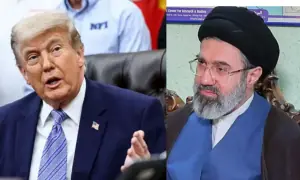
The United States and Iran have reached a preliminary agreement aimed at ending their conflict, halting the US blockade of Iran, and reopening the Strait of Hormuz. US President Donald Trump announced the completion of the deal on his Truth Social platform Sunday evening, while Pakistan Prime Minister Shehbaz Sharif made a similar announcement earlier on Monday local time, stating that military operations on all fronts, including Lebanon, would cease immediately and permanently.
An official signing ceremony for the peace deal is slated for Friday, June 19, in Switzerland. PM Sharif expressed gratitude to the US and Iran for their commitment to diplomacy, also thanking Qatar, Saudi Arabia, and Turkiye for their mediation efforts. Iran's Deputy Foreign Minister Kazem Gharibabadi confirmed the immediate end of the war, adding that talks to finalize an agreement would occur within two months.
The announcement led to a notable decline in oil prices, with Brent crude futures falling four percent and US West Texas Intermediate sliding more than 4.6 percent in early Monday trading. Stock markets across Asia experienced a jump.
Details of the agreement remain largely unclear. Iran's Mehr news agency reported that the US is expected to release $12 billion in frozen assets to Iran before negotiations begin. It also cited a 14-point memorandum of understanding (MoU) that includes the release of an additional $24 billion in frozen Iranian assets during a 60-day negotiation period following the MoU's signing. The Trump administration has not yet commented on these financial details. The critical issue of Iran's nuclear program, including its stockpile of highly enriched uranium, is reserved for subsequent talks.
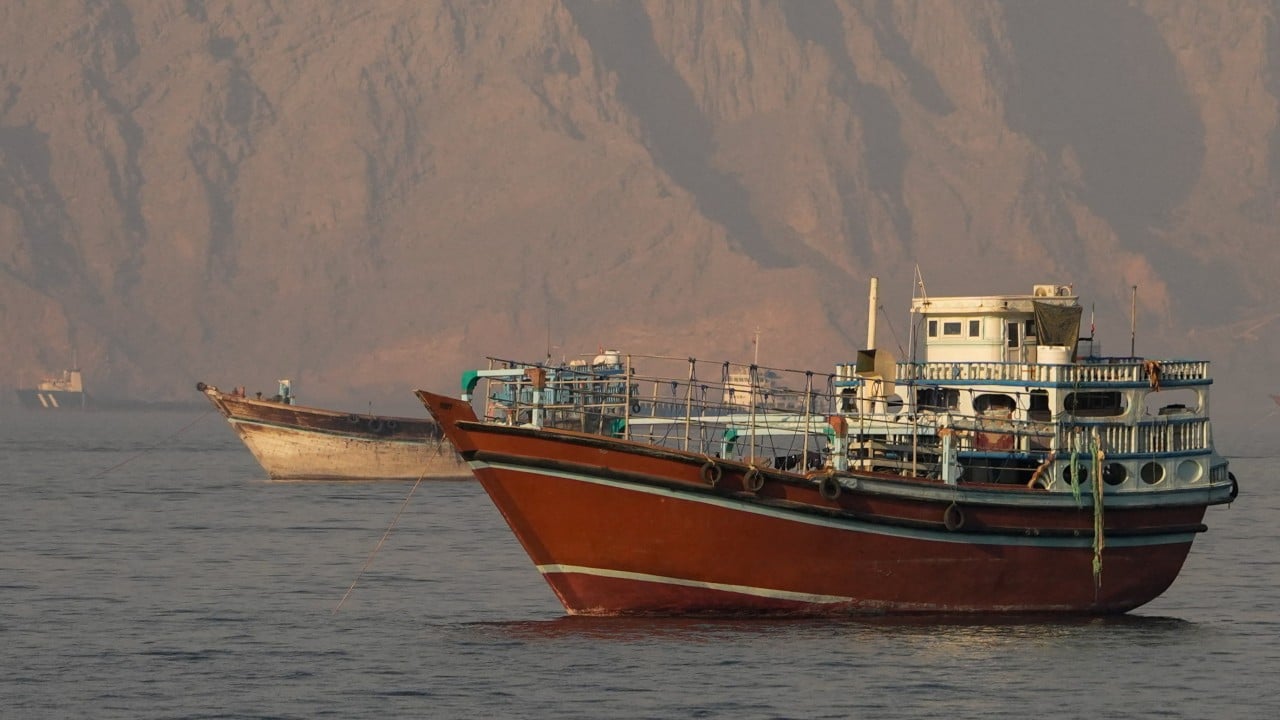
The conflict has claimed thousands of lives, primarily in Iran and Lebanon, since February 28. Iran had blockaded the Strait of Hormuz, a key global shipping route, for months, prompting US forces to blockade Iranian ports in response. Israel, which has stated it was not a party to the US-Iran talks, did not immediately react to the announcement. European leaders from the United Kingdom, Germany, France, and Italy welcomed the deal, expressing readiness to lift sanctions on Iran in exchange for verifiable steps to limit its nuclear program and called for the restoration of toll-free freedom of navigation in the Strait of Hormuz.
According to Dawn Pakistan, the agreement was reached despite recent Israeli strikes in Lebanon, which had been a point of contention in negotiations.