US Gas Prices Decline for Three Consecutive Weeks, Remain Above $4 a Gallon
The average price of gasoline in the U.S. has fallen for three straight weeks, providing some relief to drivers. As of Monday morning, the national average was $4.06 per gallon, a drop from a peak of $4.56 in May. This decrease follows a tentative deal between the U.S. and Iran to reopen the Strait of Hormuz, which had been closed due to conflict and significantly impacted global oil supply.
Gasoline prices across the United States have decreased for three consecutive weeks, with the average price remaining above $4 per gallon. As of Monday morning, the national average for a gallon of regular gasoline was $4.06, according to AAA data. This represents a 1.5% drop from Friday's average of $4.12, and a more significant decline from the peak of $4.56 recorded in May.
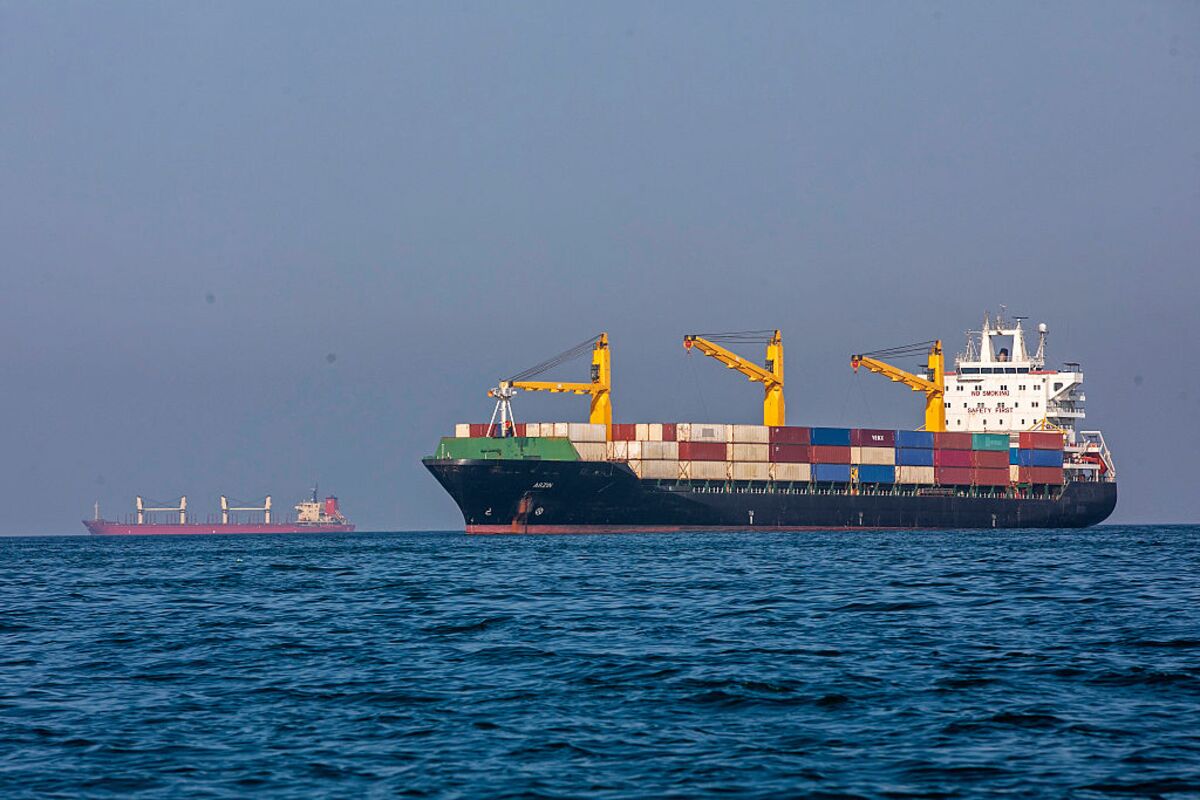
The recent drop in fuel prices coincides with news of a tentative agreement between the U.S. and Iran to reopen the Strait of Hormuz. Oil prices reportedly slumped by 5% on Monday following this development. The Strait of Hormuz, a crucial waterway controlled by Iran, transports approximately 20% of the world's oil and liquefied natural gas. Its closure earlier this year, due to the US-Iran conflict, had severely disrupted global oil supply and led to a sharp increase in crude prices.
Gasoline prices had spiked from less than $3 per gallon in February after the conflict began. While the current prices are falling in tandem with a broader decrease in oil prices — Brent crude, the international benchmark, fell from nearly $120 per barrel in late April to around $83 per barrel by Monday morning — fuel costs are still more than a third higher than before the conflict started.
Despite the nationwide decline, some U.S. states continue to see average gas prices above $5 per gallon. For instance, California, typically among the states with the highest fuel costs, reported an average price of $5.74 per gallon.
According to Business Insider, the reopening of the Strait of Hormuz is expected to ease pressure on the global oil market. (Source: Business Insider)