US-Iran Deal Signed Electronically, Key Questions Remain Unresolved
A U.S.-Iran memorandum of understanding was signed electronically by President Trump, Vice President Vance, and Iranian parliamentary speaker Mohammad-Bagher Ghalibaf on Sunday. Senior U.S. administration officials announced the deal Monday, with a formal signing ceremony scheduled for Friday in Geneva, Switzerland. The agreement includes a 60-day ceasefire extension now in effect, including in Lebanon. However, significant questions persist regarding the reopening of the Strait of Hormuz, the extent of sanctions relief for Iran, and the path forward for nuclear negotiations, with both sides presenting differing interpretations of the accord's details.
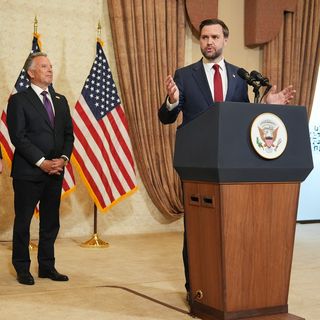
A memorandum of understanding (MOU) between the U.S. and Iran was electronically signed on Sunday by President Trump, Vice President Vance, and Iranian parliamentary speaker Mohammad-Bagher Ghalibaf, according to senior U.S. administration officials. A more formal signing ceremony is anticipated in Geneva, Switzerland, on Friday, where Vance, U.S. envoys Steve Witkoff and Jared Kushner, Ghalibaf, and Iranian Foreign Minister Abbas Araghchi are expected to meet with Pakistani and Qatari mediators.
While a 60-day ceasefire extension has taken immediate effect, including in Lebanon, the full reopening of the Strait of Hormuz remains a point of contention. President Trump initially announced the immediate lifting of the U.S. blockade and opening of the strait but later stated it would open on Friday. A U.S. defense official confirmed military orders to prepare for the lifting of the blockade by Friday. However, Iranian state media reported no change in the strait's status, contradicting Trump's claim that ships were already moving. Shipping companies, including Maersk, are reportedly awaiting clearer guarantees of safety before increasing cargo through the strait.
Discrepancies also exist concerning Iran's entitlements under the deal. Both sides agree Iran receives an end to fighting and sanctions waivers for oil exports. However, Iranian state media asserts access to billions in frozen funds immediately upon signing, a claim a senior U.S. official adamantly denied, stating that such access would be based on a "pay for performance model" tied to a more detailed nuclear accord. The U.S. is prepared for "small gestures" if Iran demonstrates compliance.
The full text of the MOU has not yet been released. Senior administration officials indicated it would be published within 24-48 hours, though President Trump suggested it might not be released until after Friday's signing. This lack of transparency, coupled with indirect negotiations, has contributed to conflicting accounts of the agreement's requirements and outcomes.
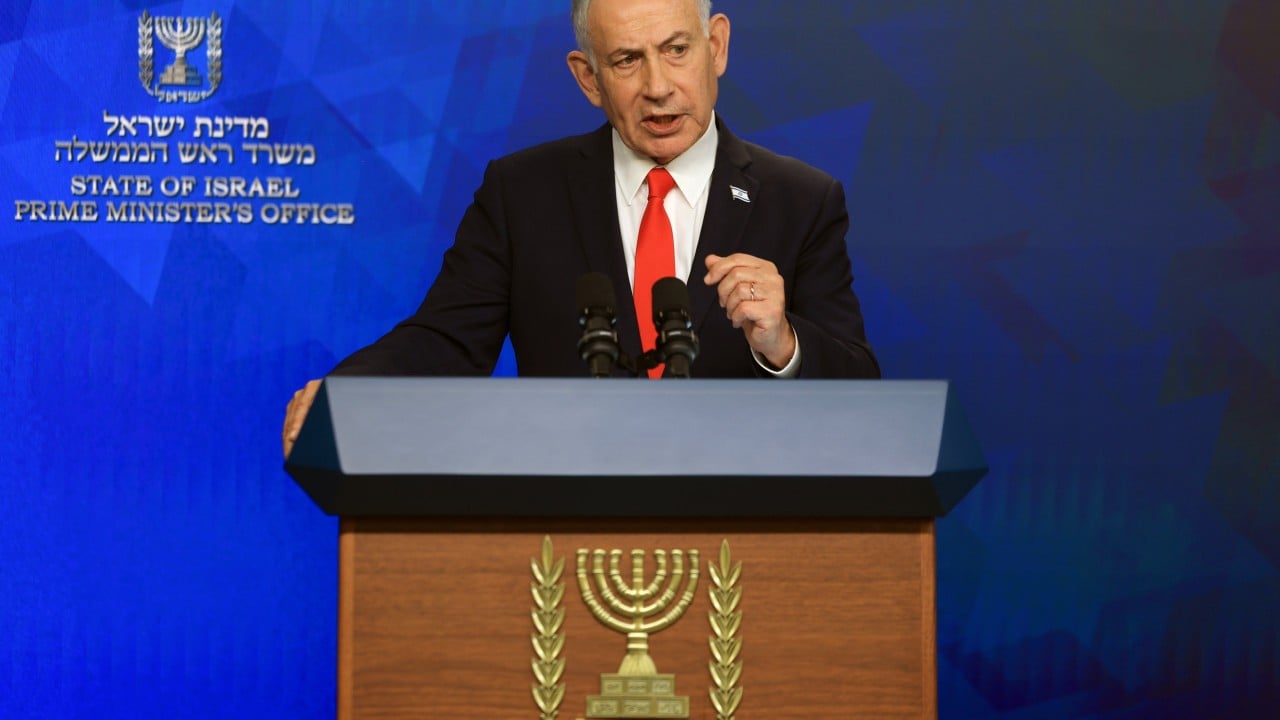
Israel has voiced concerns, particularly regarding the ceasefire's implications for its operations in Lebanon. Defense Minister Israel Katz stated Israel would not withdraw from southern Lebanon or cease responding to Hezbollah attacks. U.S. officials have clarified that the deal does not necessitate an Israeli withdrawal and is not a "one-way ceasefire," allowing for Israeli response to attacks.
The MOU is intended to initiate 60 days of nuclear negotiations, with the bulk of sanctions relief contingent upon a comprehensive final agreement. U.S. officials acknowledge the significant challenges in reaching such a deal, citing mutual distrust. Pakistani Prime Minister Shehbaz Sharif noted that meetings to prepare for these negotiations would occur this week. U.S. officials indicate that forces will not be withdrawn from the region without a nuclear deal.
According to Axios, the White House did not respond to questions regarding the deal's outstanding issues.