US-Iran Peace Deal Text Agreed, Pakistan PM Confirms Amidst Misinformation Warnings
Prime Minister Shehbaz Sharif announced on Friday that a "final agreed-upon" text for a peace deal between Iran and the United States has been reached. This development follows remarks by US President Donald Trump, who suggested a signing could occur as early as this weekend to end the months-old conflict. Both PM Sharif and Iranian Foreign Minister Abbas Araghchi cautioned against an "incessant misinformation campaign" aiming to undermine the agreement, with Pakistan actively working to finalize the next steps in the process.
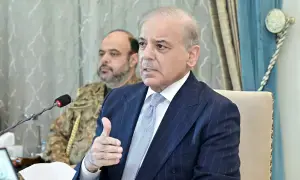
Prime Minister Shehbaz Sharif confirmed on Friday that a "final agreed-upon" text for a peace deal between Iran and the United States has been reached. He stated that Islamabad is working "closely" with both nations to finalize the subsequent steps of the process, adding that "Peace has never been this close as it is now."
US President Donald Trump had indicated a day earlier that the United States and Iran might sign a peace deal as soon as this weekend. Trump remarked on a "great settlement of the war with Iran" and suggested that the Strait of Hormuz would officially open upon signing, potentially in Europe.
PM Shehbaz also warned against a "misinformation campaign" designed to sabotage the peace deal. Iranian Foreign Minister Abbas Araghchi echoed these sentiments, referring to the potential agreement as the "Islamabad memorandum of understanding" and urging the press to avoid speculation until its finalization.
Earlier on Friday, President Trump refuted reports regarding the terms of a possible deal with Iran via Truth Social, asserting they were not aligned with the agreed-upon written terms. Vice President JD Vance separately addressed "fake information" on X, clarifying that Iran would not receive any cash or funds simply for signing the deal or attending a meeting. Vance emphasized that the deal prioritizes US and allied concerns, linking economic benefits to Iran's fulfillment of its obligations, and potentially leading to lasting peace in the region.
Recent tensions included a resumption of hostilities on Wednesday night with Washington and Tehran reportedly trading strikes after an American Apache attack helicopter crashed near the Strait of Hormuz. Strikes were exchanged again on Thursday, though President Trump cancelled planned "bigger" bombing raids following discussions with Iranian leadership.
According to Trump, "Discussions and final points have been, in both concept and great detail, approved by all parties involved," including the United States, Israel, Saudi Arabia, UAE, Qatar, Turkiye, Pakistan, Bahrain, Kuwait, Jordan, and Egypt.
The conflict began on February 28 with joint US-Israeli strikes on Iran. Both countries continued trading attacks until a ceasefire was agreed upon in April, with Pakistan acting as a mediator. A round of talks held in Islamabad that month did not result in a deal after 21 hours of negotiations. (Source: Dawn Pakistan)