
Analysis Traces China's Evolving Global Stance and Strategic Leverage
A recent analysis examines China's changing position on the global stage, referencing the 1996 bestseller "China Can Say No" as an early indicator of a rejection of Western influence and rising nationalism. Thirty years later, China is noted for possessing strategic leverage, particularly in global supply chains, rare earth minerals, and critical green technologies. This leverage is presented as underpinning China's ability to issue rebuttals and countermeasures against Western claims.
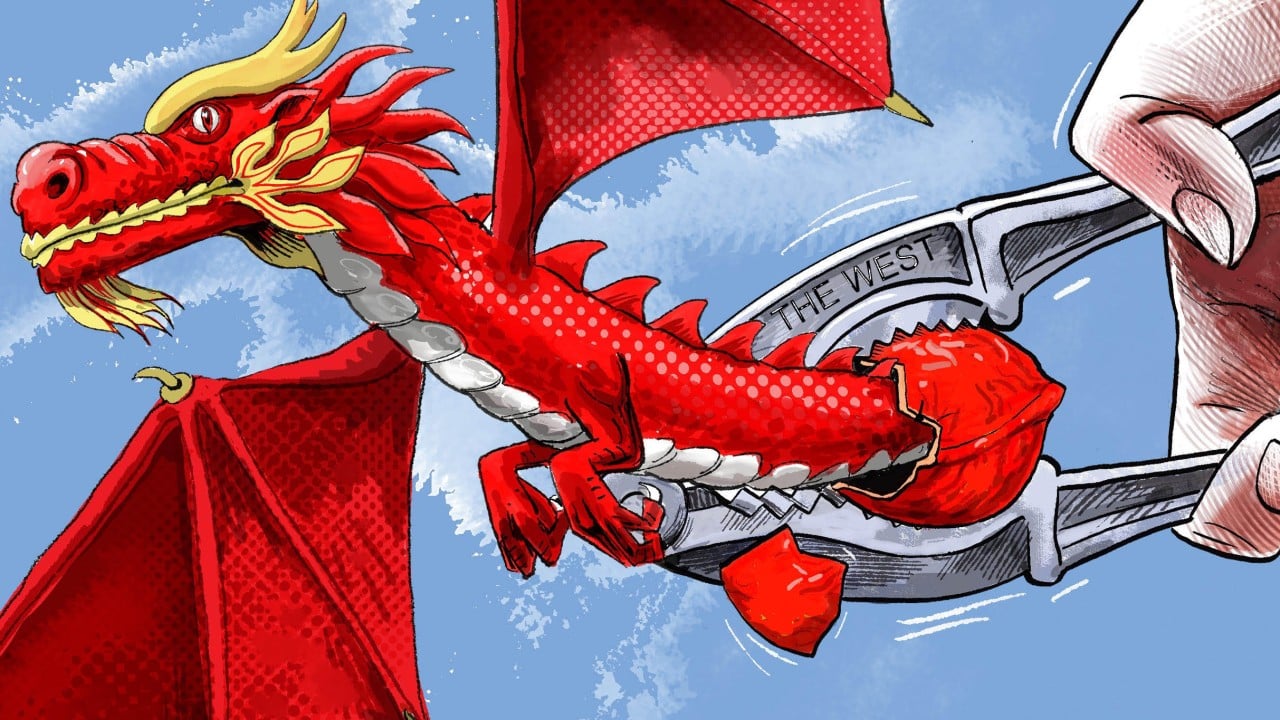
An analysis by the South China Morning Post discusses China's evolving global posture, connecting it to the 1996 publication of "China Can Say No." This bestselling book, co-authored by a group of intellectuals, was identified as reflecting a nascent rejection of Western veneration and a rise in Chinese nationalism during that period.
According to the analysis, three decades later, China is portrayed as having moved beyond simply rejecting the West. It is now described as possessing significant strategic leverage. This leverage is stated to be underpinned by the country's dominant position in global supply chains, its control over rare earth minerals, and its advancements in critical green technologies.
The article suggests that this perceived increase in confidence is evident in China's responses, including its rebuttals and forceful countermeasures against various Western claims.
(Source: South China Morning Post)


