Anthropic Overhauls Claude Design for Enterprise Integration, Addresses Token Consumption
Anthropic has released a significantly overhauled version of Claude Design, two months after its initial launch. The update aims to fix the product's high token consumption, which limited usability for early adopters, and repositions the tool from a research preview to an enterprise-grade design system compliance layer. Key improvements include design system imports, bidirectional integration with Claude Code, and an expanded list of export partners, reinforcing Claude Design's role within Anthropic's broader AI platform strategy.
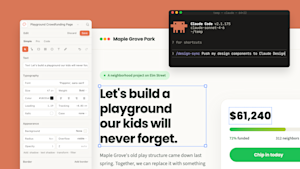
Anthropic has announced a major overhaul for its Claude Design product, two months after its initial release as a "research preview" that quickly garnered over one million users.
One of the primary issues addressed in the update is the tool's high token consumption. A PCWorld reviewer previously noted burning through 80 percent of a weekly Claude Pro allowance in approximately 25 minutes, generating only three webpage prototype variations. Anthropic's solution involves sharing usage limits across Claude Design, Claude Chat, Claude Cowork, and Claude Code, alongside reported reductions in average token consumption per turn and improved error rates.
Central to the redesign is the new design system import feature. Users can now bring design systems from GitHub repositories, design files, or raw uploads into Claude Design. The tool will then build and auto-correct output against these imported components, ensuring brand compliance. A new admin role allows organizations to approve and lock down a single standard system, preventing individual user overrides.
The update also introduces bidirectional integration between Claude Design and Claude Code, aiming to resolve the long-standing design-to-engineering handoff problem. Users can import local codebases' design systems into Claude Design and export designs directly to Claude Code for implementation. This integration allows developers to create, edit, and sync design projects within their coding workflow.
Additionally, Claude Design now supports exports to nine new partners, including Adobe, Canva, Miro, Replit, and Vercel, in addition to PDF and PowerPoint. This expanded ecosystem positions Claude Design as a creative hub where work begins, rather than a final destination.
The overhaul aligns with Anthropic's strategy to embed Claude across various enterprise workflows, including creative work, code, knowledge work, and operations. Recent product expansions by the company include Claude Opus 4.8, agent templates for financial services, an alliance with DXC Technology, and Claude for Small Business integrations.