Breaking Bad: Exploring the Inspiration Behind the Acclaimed Series
Vince Gilligan's crime thriller "Breaking Bad" frequently prompts viewers to question whether its narrative is based on a true story. The series' premise—a chemistry teacher turning to crystal meth production to fund his cancer treatment—is often described as both dystopian and sadly plausible. Despite the show's grounded beginnings and realistic character portrayals, its specific inspirations reportedly stemmed from unexpected origins.
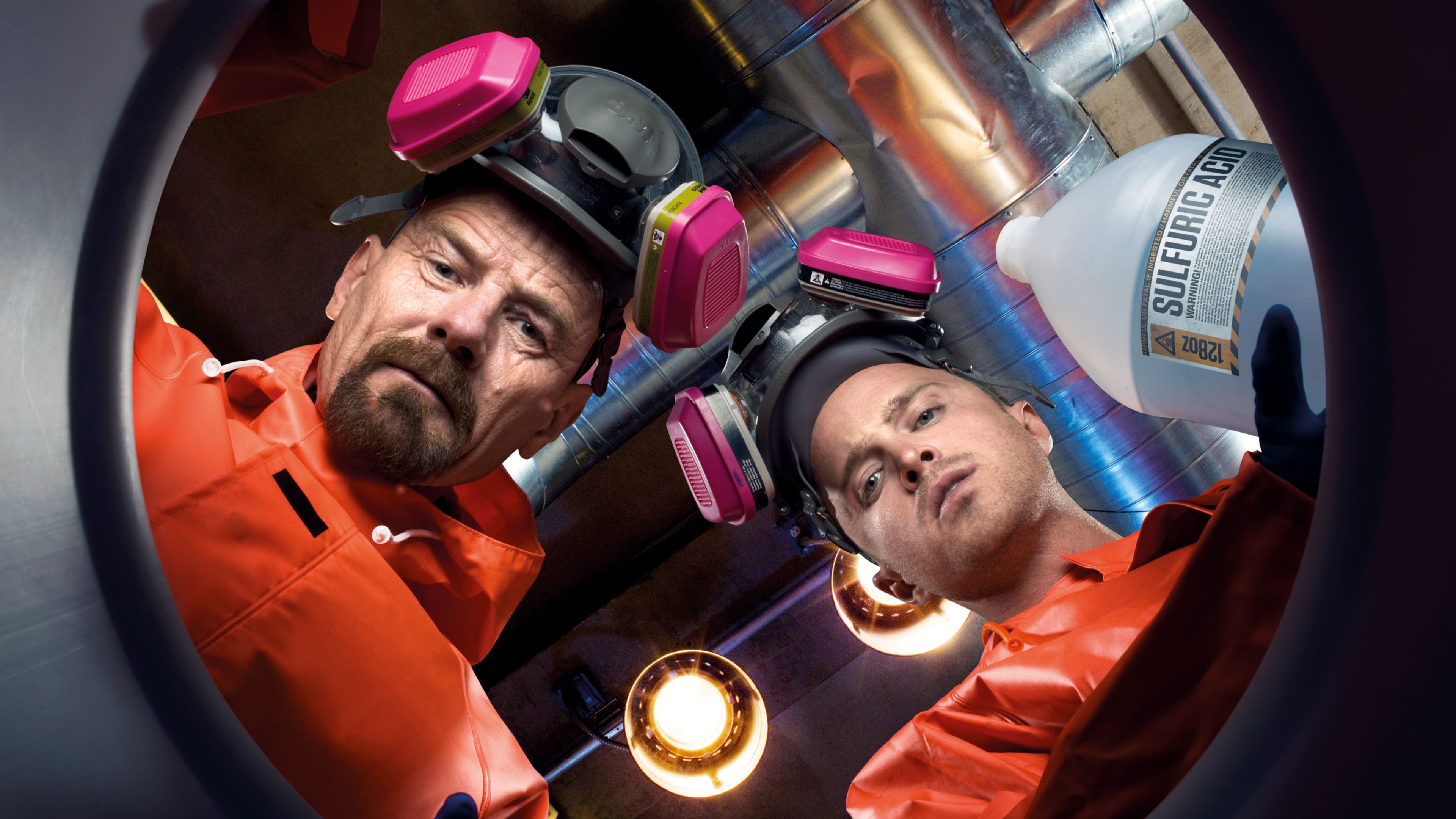
The acclaimed crime thriller "Breaking Bad," created by Vince Gilligan, often leads audiences to inquire whether its compelling narrative draws from real-life events. The series, known for its portrayal of iconic TV antiheroes, revolves around a central premise: a chemistry teacher who begins cooking crystal meth to finance his cancer treatment. This core concept has been widely characterized as both dystopian and regrettably plausible, contributing to widespread speculation about its origins.
The show's initial phases were notably grounded in realism, a factor that further fueled the perception of authenticity among viewers. Characters such as Jane, Hank, and Skyler are frequently cited for feeling like authentic individuals as the series' storyline progresses, reinforcing the impression of a potentially true-to-life basis.
While many television crime narratives do find their roots in actual events, the specific inspirations behind "Breaking Bad" reportedly emerged from unexpected sources. Despite the series' plausible central premise and its realistic character development, its creative wellspring deviates from direct adaptation of a true story.
According to ScreenRant, the question of whether "Breaking Bad" is based on a true story remains a common inquiry among its audience, reflecting the series' impactful and often believable fictional world.