Butter Yellow Aesthetic Signals Consumer Anxiety and Nostalgia in 2026
The "butter yellow" aesthetic has emerged as a dominant trend in 2026, with search interest for related terms reaching all-time highs in June. This soft, creamy hue, observed across runway collections and retail products, is accompanied by a rise in nostalgic consumer behaviors like rewatching 1990s films and seeking out retro products. Experts suggest this collective shift towards comforting aesthetics is linked to prevailing economic anxieties and the spending habits of millennial parents, who are prioritizing immediate rewards and well-being amidst financial and job-related concerns.
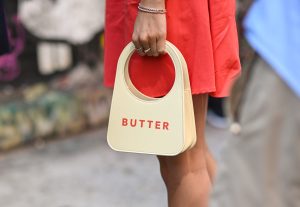
The "butter yellow" aesthetic is becoming a significant trend in 2026, with search interest for phrases such as "butter yellow dress" and "butter yellow nails" reaching unprecedented levels this June. This marks the third consecutive June that "butter yellow nails" has peaked. The search term "butter summer" also more than doubled in a single week.
This aesthetic extends beyond online interest, appearing in runway collections from designers like Chanel and Valentino, being widely stocked by retailers such as Amazon, and highlighted by beauty publications like Elle and The Zoe Report as the summer's leading nail color. Concurrently, consumers are engaging in nostalgic activities, including rewatching the movie "Father of the Bride," consuming pineapple Kool-Aid, and searching for "90s butter mom movies." These combined trends suggest a consumer psychographic influenced by millennial parents' nostalgia and Gen Z's appreciation for '90s retro culture, influenced by the current economic climate.
Economists have noted that consumer aesthetics often serve as countercyclical signals, where spending habits shift towards comfort, softness, and familiarity during periods of financial stress. This phenomenon is comparable to the "lipstick effect," where sales of small luxuries increase during recessions as consumers opt for affordable indulgences over larger purchases. This effect was observed during the Great Depression with a rise in cosmetic sales and during the 2008 recession, when Estée Lauder reported increased lipstick sales. A 2019 study published in the Journal of Retailing and Consumer Services also identified a significant increase in average cosmetics expenditures among younger women (ages 18–40) during the Great Recession.
The 2026 consumer impulse appears to be chromatic, with butter yellow evoking warmth, approachability, and nostalgia. Google's early 2026 consumer research indicated that consumers are increasingly feeling "anxious, worried, and tired," leading them to prioritize immediate rewards and experiences that enhance their present well-being. For a consumer class navigating elevated interest rates, persistent housing costs, and AI-driven job anxiety, this aesthetic may represent an emotional choice. Color experts, adhering to frameworks like the Pantone Color Institute's color psychology, suggest that warm, creamy tones convey a sense of safety and nurturing.
Millennial parents, typically aged 30–45, are identified as the key demographic driving the butter yellow aesthetic, as they enter their peak household spending years. Millennial retail spending currently totals $1.127 trillion annually, accounting for 28.3% of all U.S. retail spending. On average, a millennial spends $31,256 per year on retail purchases, which is 6.16% more than the average consumer. Millennial households now represent more than one in four U.S. households, with younger millennials showing the steepest increase in homeownership, often seeking nostalgic products and experiences.
According to Fortune, these observations collectively point to "butter yellow" as a reflection of broader consumer sentiment in 2026.