
Chinese Scientists Develop Glow-in-the-Dark Plants for Urban Lighting
Chinese scientists have reportedly developed glow-in-the-dark plants, marking a significant advancement in biotechnology. This innovation could potentially transform urban lighting, offering a sustainable and environmentally friendly alternative to traditional illumination methods. The research suggests these bioluminescent plants could contribute to greener city infrastructures by reducing energy consumption and carbon footprints.
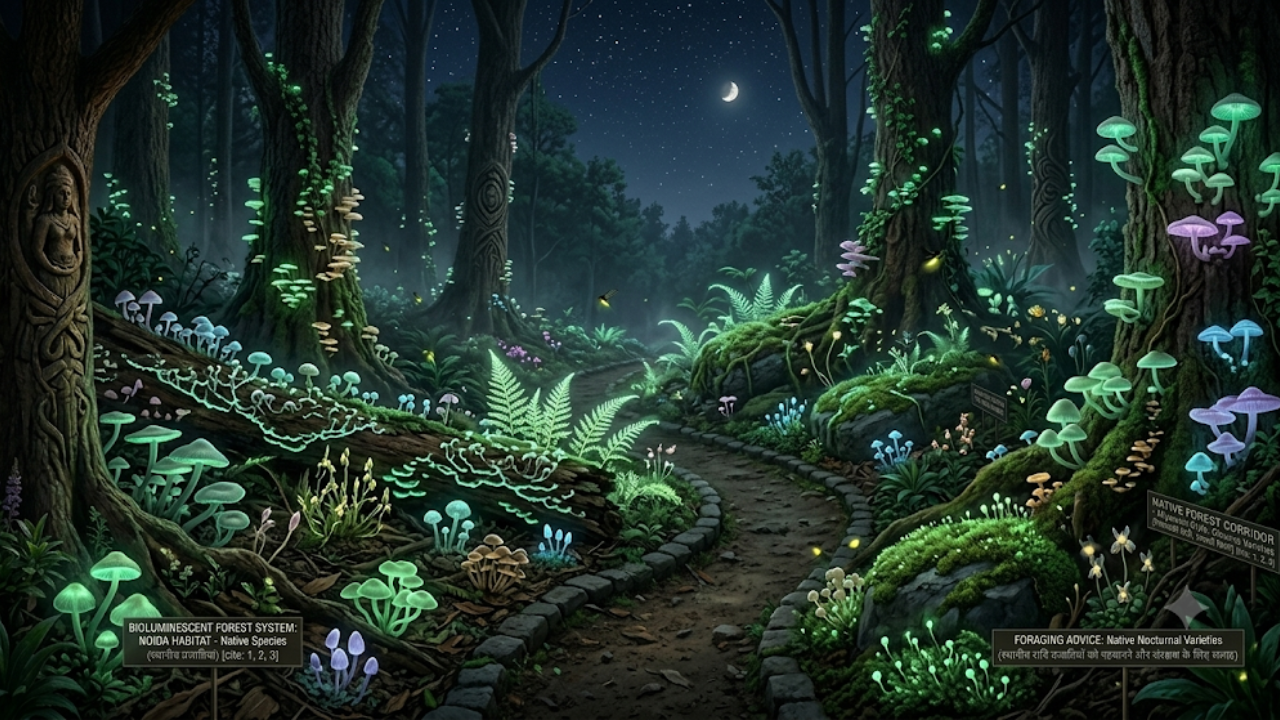
Chinese scientists have reportedly achieved the development of glow-in-the-dark plants. This scientific accomplishment introduces a novel approach with potential implications for various applications, particularly in the realm of sustainable urban infrastructure.
The primary suggested application for these bioluminescent plants is to transform urban lighting systems. By leveraging the natural ability of these modified plants to emit light, researchers envision a future where cities could reduce their reliance on conventional electrical lighting.
Such a development could lead to more environmentally friendly illumination methods, potentially decreasing energy consumption and contributing to lower carbon emissions. This innovation aligns with ongoing global efforts to integrate sustainable practices into urban planning and design, seeking eco-conscious alternatives for city environments.
According to the Times of India - World, this advancement by Chinese scientists represents a significant step towards rethinking urban illumination through biological means.


