FDA Approves Second Fly Species for Maggot Wound Therapy
The U.S. Food and Drug Administration (FDA) has approved a second species of carcass-feeding fly for use in maggot wound therapy, a medical practice also known as biosurgery or maggot debridement therapy (MDT). This clearance was announced by Cuprina Holdings, a Singapore-based company, for its new therapeutic larvae, named MediFly Maggots. This approval makes Cuprina the only company with FDA clearance to market two different fly species for such treatments, potentially expanding options in the global market.
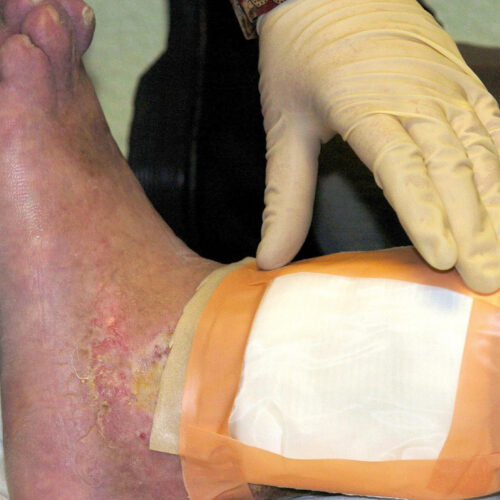
The U.S. Food and Drug Administration (FDA) has granted clearance for a second species of carcass-feasting fly to be utilized in maggot wound therapy. This medical treatment, often referred to as biosurgery or maggot debridement therapy (MDT), involves the careful application of fly larvae to wounds for debridement and cleaning. The announcement regarding this new therapeutic option came from Cuprina Holdings, a Singapore-based company, which markets its newly approved larvae under the brand name "MediFly Maggots."
This recent FDA clearance positions Cuprina Holdings as the sole company authorized to sell two different species of fly larvae for medical purposes. The company has expressed optimism regarding its potential to significantly influence and possibly dominate the global market for maggot therapy, offering an expanded range of options for medical professionals.
The newly cleared species for therapeutic use is Lucilia cuprina, commonly known as the Australian sheep blowfly. This species shares a close genetic relationship with Lucilia sericata, which is more widely recognized as the common green bottle fly. Lucilia sericata has historically been the predominant fly species employed in wound therapy and held the distinction of being the first fly species to receive FDA clearance for this specific medical application.
The initial FDA clearance for Lucilia sericata was awarded in 2004 to Ronald Sherman. Mr. Sherman currently serves as the Medical and Scientific Director for Cuprina Holdings, bringing his expertise to the development and deployment of these specialized medical larvae.
(Source: Ars Technica)