FDA Authorizes Fruit-Flavored Vapes, Raises Questions Over Public Health Standards
The Food and Drug Administration (FDA) recently authorized its first fruit-flavored e-cigarettes, a decision that has drawn scrutiny from health groups and lawmakers. A new FDA memo indicates that these products were not significantly more effective at helping smokers quit than tobacco-flavored options, despite the agency's previous stance that such flavors require extra health benefits for adult approval due to their appeal to children. The FDA cited an age-verifying cellphone app as a key factor in its decision, suggesting it mitigated the risk of underage use.
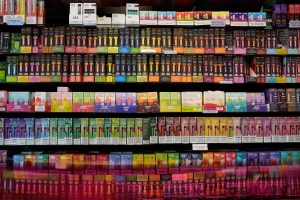
The Food and Drug Administration (FDA) has authorized fruit-flavored e-cigarettes, leading to questions about the agency's regulatory standards. This decision marks the first time the FDA has approved such flavors, endorsing them as a less-harmful alternative to traditional cigarettes.
A memo released by the FDA this week details the agency's rationale. It acknowledges that the fruit-flavored vapes from manufacturer Glas Inc. did not show statistically significant differences in helping smokers quit compared to tobacco-flavored e-cigarettes in a three-month study. This contrasts with previous FDA approvals for flavored products, such as menthol vapes from Juul and NJOY, which demonstrated a significant advantage in helping adults reduce or quit cigarette use.
Despite the data, FDA regulators explained that the Glas flavored vapes “did not have to demonstrate added adult benefit” because an age-verifying cellphone app, required to unlock each e-cigarette, was deemed sufficient to prevent underage use. This approach appears to sidestep earlier FDA guidelines that advised companies fruit and dessert flavors would face a “high evidentiary burden” for adult use due to their appeal to children.
Health groups and Washington lawmakers have quickly condemned the authorization, with ten Democratic senators sending a letter to the agency requesting more information and calling the decision “shortsighted and reckless.” The memo itself is notably brief, lacking details such as the number of smokers studied, which is typically found in dozens of pages in previous FDA documents.
The application from Glas, which included menthol and tobacco-flavored vapes, followed a complex path. FDA scientists initially authorized several flavors in February, but the decision was blocked by a senior official. The mango- and blueberry-flavored products were ultimately approved during then-FDA Commissioner Marty Makary’s final full week leading the agency, preceding his resignation.
According to Fortune, the decision to approve these fruit-flavored e-cigarettes replaces clinical proof of added benefit with a Bluetooth age-verification app, despite driving youth vaping to record lows with prior restrictions. (Source: Fortune)