G7 Aims to Cap Single-Country Critical Mineral Supply at 60% by 2030
The Group of Seven (G7) countries have reportedly agreed on a new strategy to diversify their supply chains for critical minerals. The initiative aims to ensure that no single nation provides more than 60% of their critical mineral imports by 2030. This move is intended to lessen the G7's dependency on China for these essential resources, according to people familiar with the discussions.
The Group of Seven (G7) countries have reportedly reached an agreement focused on bolstering the resilience and diversification of their critical mineral supply chains. The initiative sets a specific target for 2030, aiming to reduce reliance on any one nation for these vital raw materials.
According to individuals familiar with the discussions, the G7 nations plan to cap the proportion of critical mineral imports from any single country at 60%. This strategic decision is primarily aimed at decreasing the G7's current dependency on China, which plays a substantial role in the global supply of numerous critical minerals.
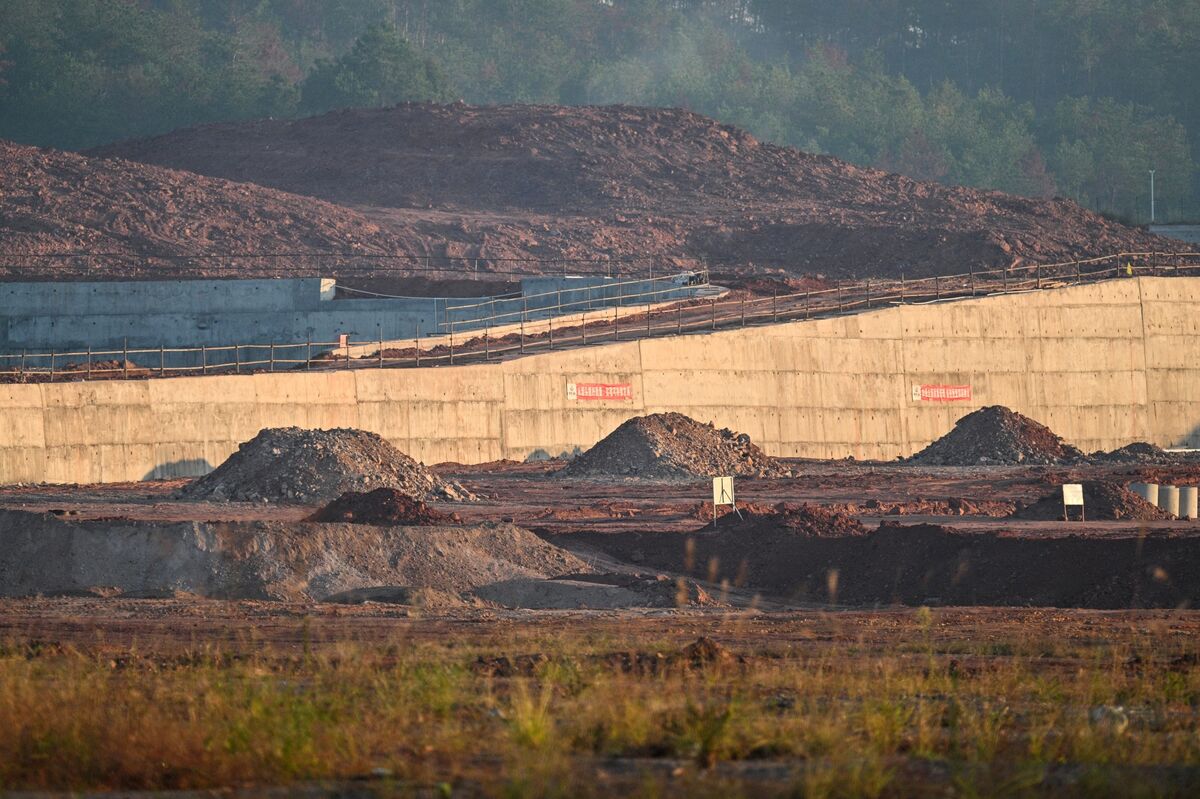
The agreement reflects a broader international push toward securing supplies of materials essential for high-tech industries, renewable energy technologies, and defense sectors. China's significant presence in the rare earth sector, for example, is exemplified by projects such as the Rare Earth Industrial Park under construction in Ganzhou, Jiangxi province. This facility underscores China's established capacity and influence within the global rare earth supply chain.
The G7's collective target is part of ongoing efforts to achieve greater supply chain resilience and diversification, particularly for resources deemed critical for both economic stability and national security.
(Source: Bloomberg Markets)