Napoleon Bonaparte's Maxim: 'Never Interrupt Your Enemy When He Is Making a Mistake'
A strategic principle attributed to Napoleon Bonaparte, "Never interrupt your enemy when he is making a mistake," highlights the value of strategic patience in competitive situations. This approach suggests that allowing adversaries to commit errors and subsequently capitalizing on their missteps can provide a significant advantage. The historical application of this strategy is notably linked to Bonaparte's actions during the Battle of Austerlitz, and its relevance extends to modern business and political environments.
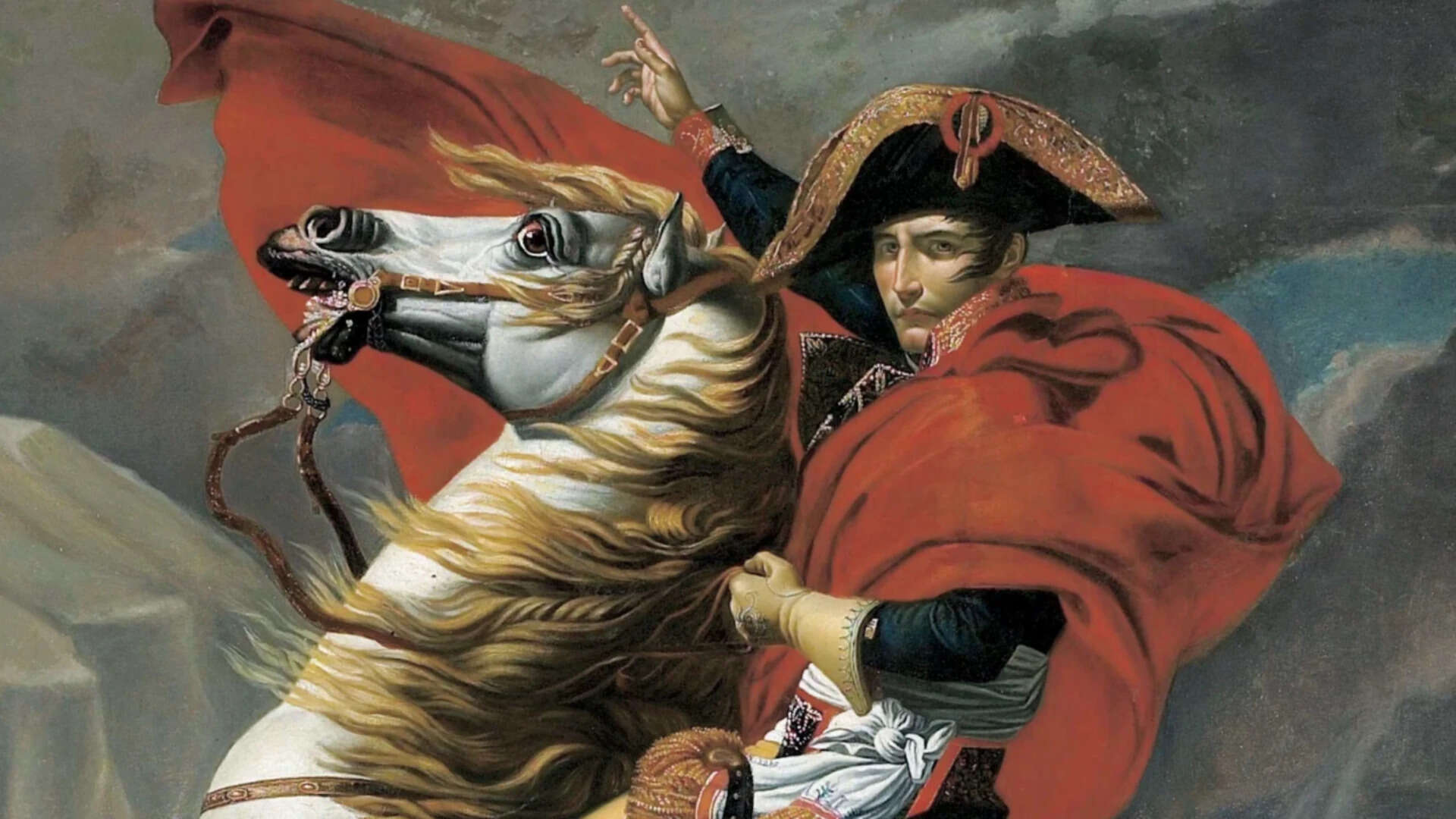
The concept of strategic patience, often encapsulated by the quote attributed to Napoleon Bonaparte, "Never interrupt your enemy when he is making a mistake," underscores a tactical approach in competitive scenarios.
This principle suggests that a considerable advantage can be gained by observing and allowing rivals to make their own errors. By refraining from impulsive actions, one can position themselves to capitalize effectively on the turmoil and vulnerabilities that arise from an opponent's misjudgments.
Historically, Napoleon Bonaparte himself is reported to have effectively utilized this method during the Battle of Austerlitz. His strategic foresight and patience in that conflict allowed his enemies to commit crucial errors, which he then exploited to secure victory.
In contemporary contexts, the wisdom embedded in this quote is considered pertinent beyond military strategy. Its application is noted in business and political arenas, where the importance of precise timing and self-restraint is emphasized over hasty decision-making. Adopting this approach can lead to a more advantageous position by leveraging the consequences of a competitor's strategic blunders.
(Source: Times of India - World)