Oil Prices Fall to March Lows Amid US-Iran Hormuz Agreement
Global oil prices reached their lowest levels since March on Monday following an initial agreement between the United States and Iran to end a conflict and resume traffic through the Strait of Hormuz. Brent crude futures decreased by $4.08, or 4.7%, settling at $83.25 a barrel, while US West Texas Intermediate (WTI) fell by $4.35, or 5.1%, to $80.53. Both contracts registered their lowest points since March 10. Pakistani Prime Minister Shehbaz Sharif announced the deal, stating that the US and Iran are expected to sign a memorandum of understanding in Switzerland. The preliminary agreement reportedly includes reopening the Strait of Hormuz toll-free and ending a US naval blockade of Iranian ports.
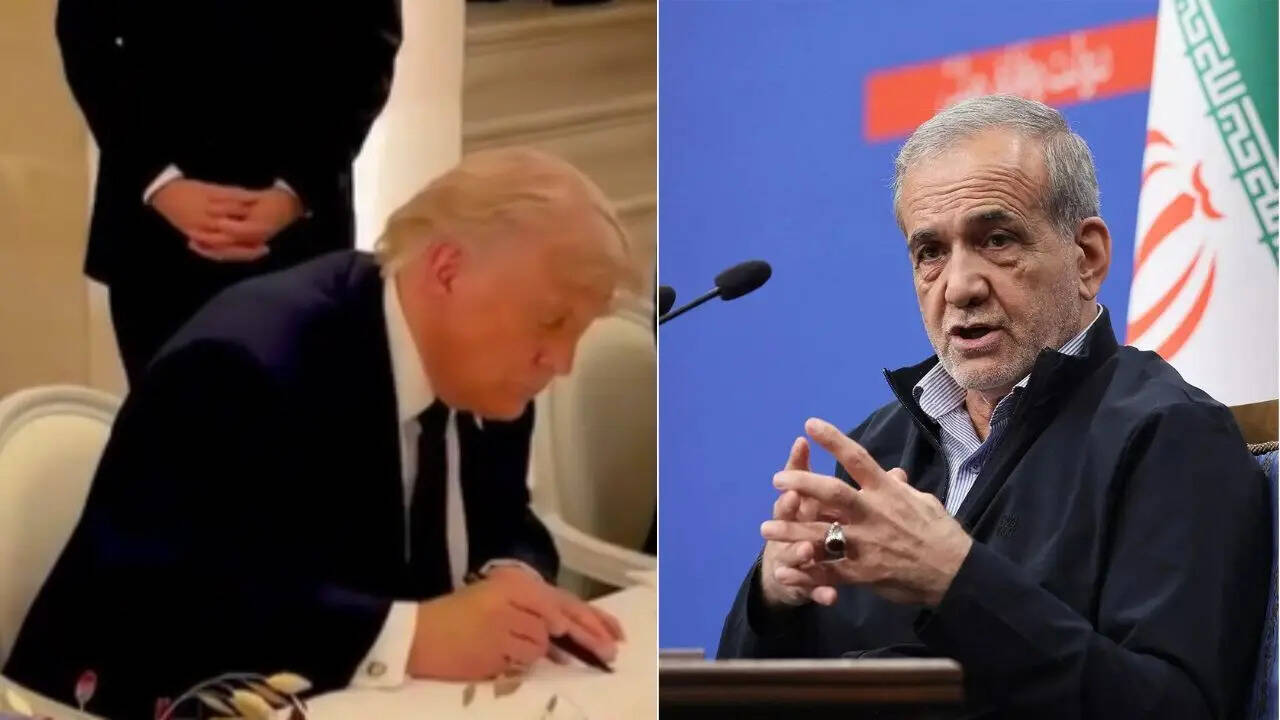
Oil prices experienced a significant decline on Monday, reaching their lowest point since March. This drop followed an announcement of an initial agreement between US President Donald Trump and Iran’s deputy foreign minister to resolve the conflict and restore traffic through the Strait of Hormuz.
Brent crude futures saw a reduction of $4.08, or 4.7 percent, trading at $83.25 a barrel by 0415 GMT. US West Texas Intermediate (WTI) futures also decreased by $4.35, or 5.1 percent, to $80.53. Both benchmark contracts had already fallen by more than 3 percent on Friday and hit their lowest levels since March 10 on Monday.
The agreement, initially announced by Pakistani Prime Minister Shehbaz Sharif, indicates that the United States and Iran are scheduled to sign a memorandum of understanding (MoU) in Switzerland on Friday. President Trump stated on Sunday that the Strait of Hormuz would be open "toll free" and that a US naval blockade of Iranian ports would cease. Iran’s semi-official Mehr news agency reported that the draft deal outlines a plan to reopen the Strait of Hormuz within 30 days under Iranian management.
Market analysts suggest that the geopolitical risk premium previously factored into crude oil prices is now being aggressively unwound as traders anticipate the restoration of oil flows. The conflict had led to the closure of the Strait of Hormuz—a crucial chokepoint for a fifth of the world’s oil and liquefied natural gas supplies—for over three months, resulting in the loss of millions of barrels of oil and gas supply globally.
Iran’s deputy foreign minister, Kazem Gharibabadi, indicated that a more comprehensive agreement would be negotiated during a 60-day ceasefire period. Separately, the E4 nations, comprising the UK, France, Germany, and Italy, expressed their readiness on Sunday to lift sanctions on Iran in exchange for steps on its nuclear program.
Despite the immediate price reaction, attention is now expected to shift towards the actual pace of supply normalization and compliance with the agreement. Analysts note that while the conflict may have ended and oil flows through the Strait of Hormuz are expected to gradually return to normal, the damage inflicted, including physical damage to oil infrastructure and the economic strain on oil-importing economies due to elevated energy costs, cannot be reversed overnight.
According to Dawn Pakistan, these developments mark a significant shift in the global oil market and geopolitical landscape.