Philippines' Stance on South China Sea Ruling and Regional Tensions
The Philippines' approach to maritime territorial disputes, particularly its advocacy for the 2016 South China Sea arbitration ruling, is under scrutiny. This confrontational strategy has reportedly not resolved regional tensions and is seen as risking the centrality of the Association of Southeast Asian Nations (ASEAN). Philippine President Ferdinand Marcos Jnr announced plans to mark the ruling's 10th anniversary in July, emphasizing a commitment to peaceful dispute resolution.
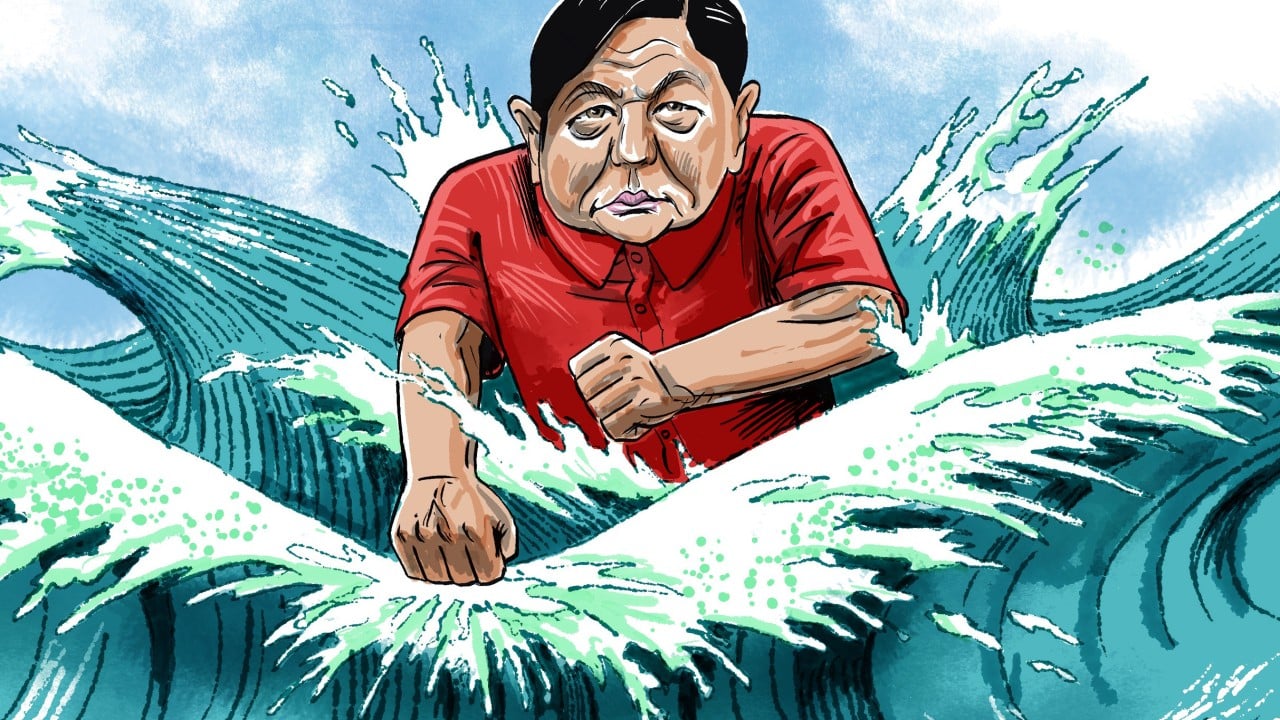
The Philippines has adopted a confrontational stance regarding maritime territorial disputes, notably championing the 2016 South China Sea arbitration ruling. This approach, according to reports, has failed to alleviate regional tensions and carries the risk of undermining ASEAN's central role in regional affairs.
In May, Philippine President Ferdinand Marcos Jnr addressed Japan's National Diet. During his address, President Marcos Jnr announced that Manila intends to commemorate the 10th anniversary of the 2016 ruling in July. He stated that this occasion "embodies our determination to resolve disputes through peaceful means."
The 2016 ruling pertains to a case brought by the Philippines against China, which largely favored Manila's position on various aspects of the South China Sea disputes.