
Phone Charging Power Peaks; Focus Shifts to USB-C Standardization
The competitive escalation of phone charging power has reportedly reached its peak, with industry attention now turning towards standardizing the USB-C ecosystem. Historically, charging power served as a significant differentiator for smartphones, leading to a proliferation of proprietary fast-charging standards. While universal USB Power Delivery (USB PD) has evolved to match the power capabilities of these proprietary systems, challenges remain in consolidating around a single, sensible universal option due to various branching enhancements within USB-C.
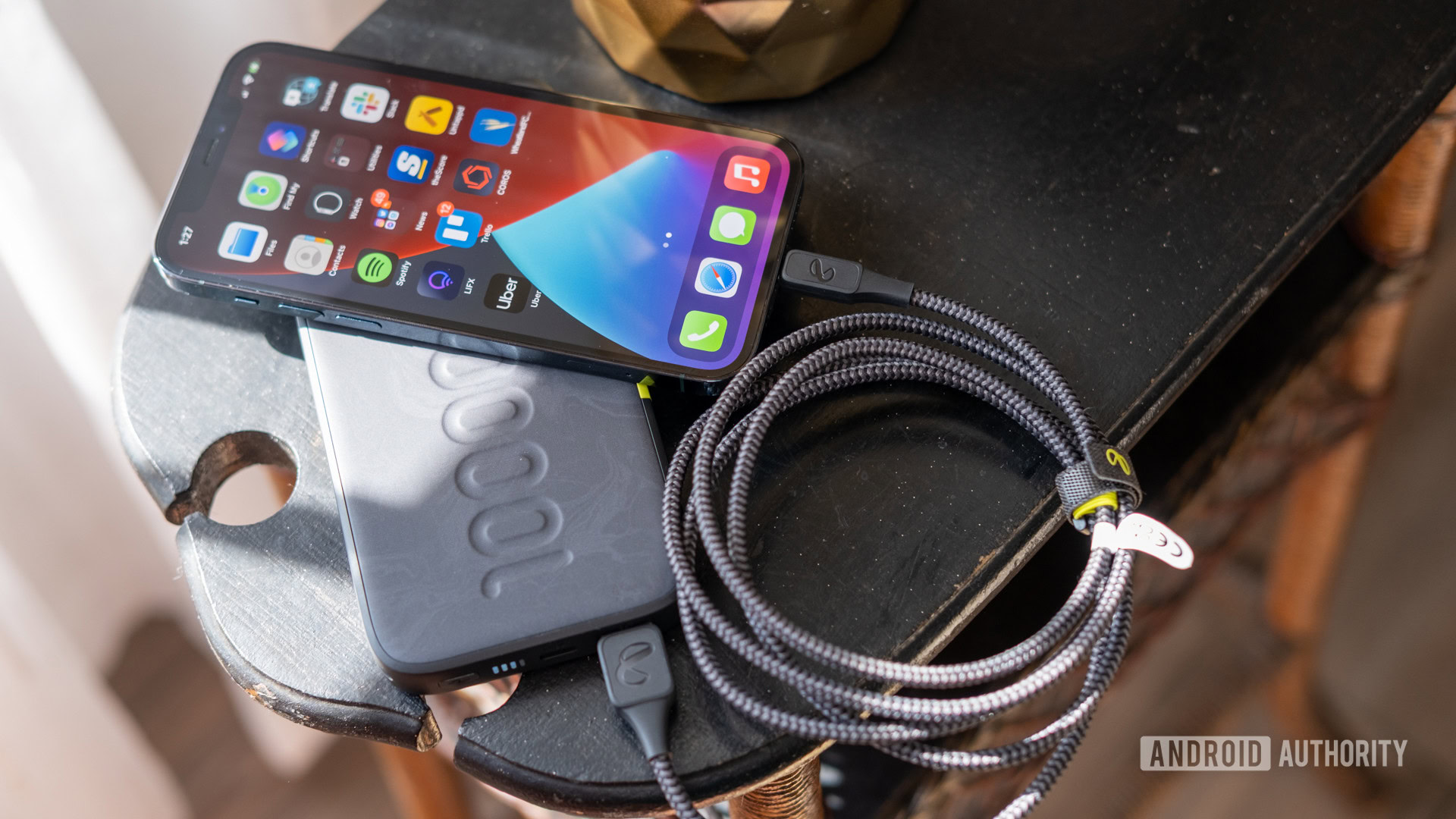
Phone charging power has reportedly reached its maximum capacity. The industry is now directing its efforts towards addressing and standardizing the complexities associated with USB-C.
In the past, charging power was a key selling point for smartphones, leading to an intense "spec war." This competition resulted in numerous rival charging standards, including HyperCharge, SuperVOOC, SuperCharge, Samsung AFC, Apple 2.4A, and Qualcomm’s Quick Charge. This fragmented landscape often created difficulties for consumers attempting to purchase compatible fast-charging accessories for their devices.
Over time, the universal USB Power Delivery (USB PD) specification evolved to achieve power levels comparable to those offered by proprietary standards within the USB-C era. However, this advancement introduced further complications through enhancements such as EDR for laptops and PPS for low-power devices.
It took several years for the USB PD standard to match the capabilities long offered by its proprietary counterparts. The era of competitive "power wars" in phone charging is now considered complete, prompting a move towards consolidating around a universal standard.
According to Android Authority, the focus has shifted from increasing power to streamlining the USB-C experience.


