Starbucks Korea Stores to Close Early for Sensitivity Training After Controversial Promotion
More than 2,000 Starbucks stores across South Korea are scheduled to close early on June 22 for mandatory history and social sensitivity training. This unprecedented nationwide closure follows a marketing campaign for stainless-steel tumblers on May 18, referred to as "Tank Day," which coincided with the 46th anniversary of the Gwangju Uprising. The promotion sparked widespread criticism, leading to the firing of Starbucks Korea's chief executive, an internal investigation, and public apologies from both Shinsegae Group, which holds a majority stake in the Korean operation, and Starbucks. The incident has reportedly resulted in a more than 10% drop in payments at Starbucks Korea.
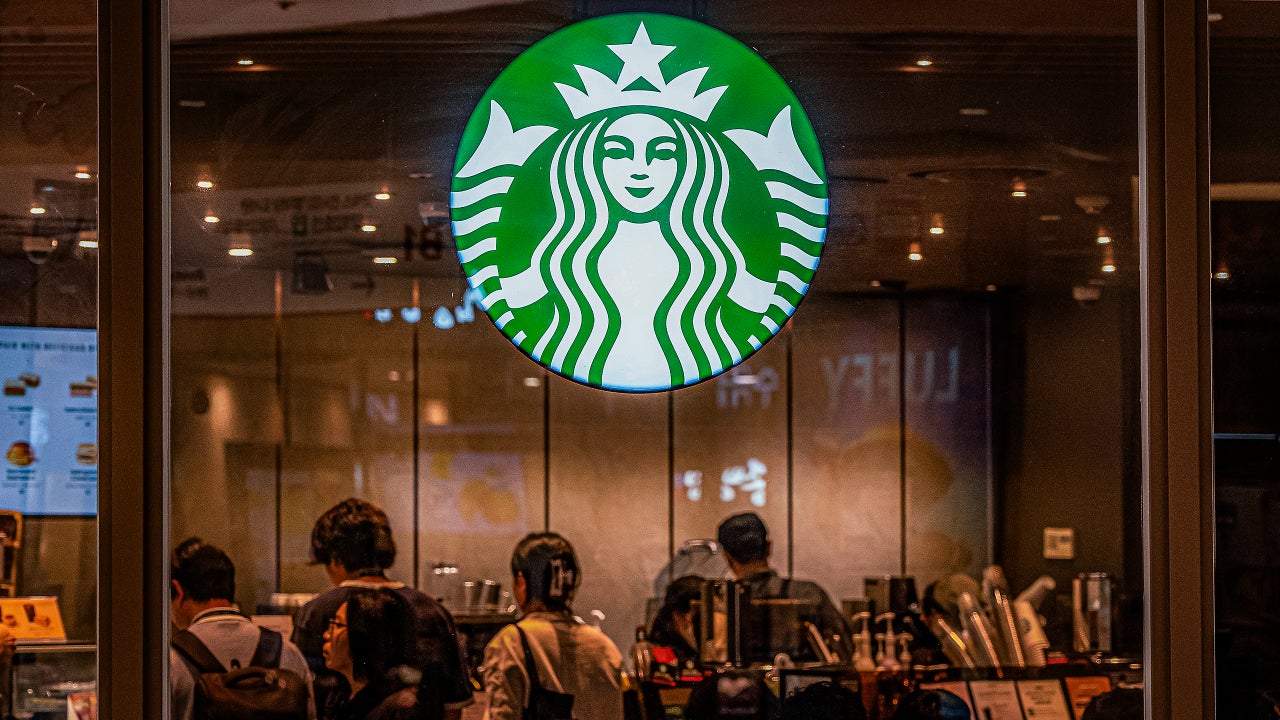
All 2,000-plus Starbucks locations in South Korea are scheduled to close early on June 22. This early closure will facilitate mandatory history and social sensitivity training for employees, marking the first nationwide early closure for Starbucks Korea since its establishment in 1999.
The training is a direct response to a controversial marketing campaign launched on May 18. The promotion, which offered stainless-steel tumblers, was referred to as "Tank Day." It quickly drew widespread backlash as it coincided with the 46th anniversary of the Gwangju Uprising, a pro-democracy movement in which the military used tanks and helicopters to suppress a rebellion.
Hours after the promotion's launch, Shinsegae Group, the majority owner of Starbucks Korea, fired chief executive Sohn Jeong-hyun and initiated an investigation. An apology message from Chairman Chung Yong-jin was subsequently posted on the Starbucks Korea website, expressing deep responsibility and vowing preventative measures.
In addition to the training session, which will be led by history and sociology professors, Starbucks Korea plans to overhaul its internal decision-making process. This will include a "social sensitivity checklist" and a more stringent approval chain requiring cross-departmental sign-offs from legal and quality control teams.
Further complicating the incident, a slogan used for the tumblers, chosen with the aid of an AI tool, echoed language previously associated with the police following the 1987 torture and death of student activist Park Jong-chul. Some managers reportedly approved the campaign without fully reviewing the marketing materials.
The fallout has had financial implications, with payments at Starbucks Korea reportedly plunging by over 10% from April figures, representing approximately $6.5 billion. Starbucks Korea also temporarily relaxed its prepaid gift card refund criteria. Starbucks, which licenses the brand but holds no equity in the Korean operation, also issued an apology, acknowledging the pain and offense caused.
South Korea is the third-largest market for Seattle-based Starbucks, after the U.S. and China. According to Fast Company, the training and operational changes are part of Shinsegae Group's ongoing efforts to manage the damage and reassure customers.